"Explore the importance of health and wellness in today’s busy lifestyle and discover effective tips, strategies, and trusted resources to improve your well-being & live a healthier life."
Discover what high functioning depression really means, its hidden symptoms, causes, and proven coping strategies. Learn why millions silently suffer and how to recognize the signs before it’s too late.
What Is High Functioning Depression?
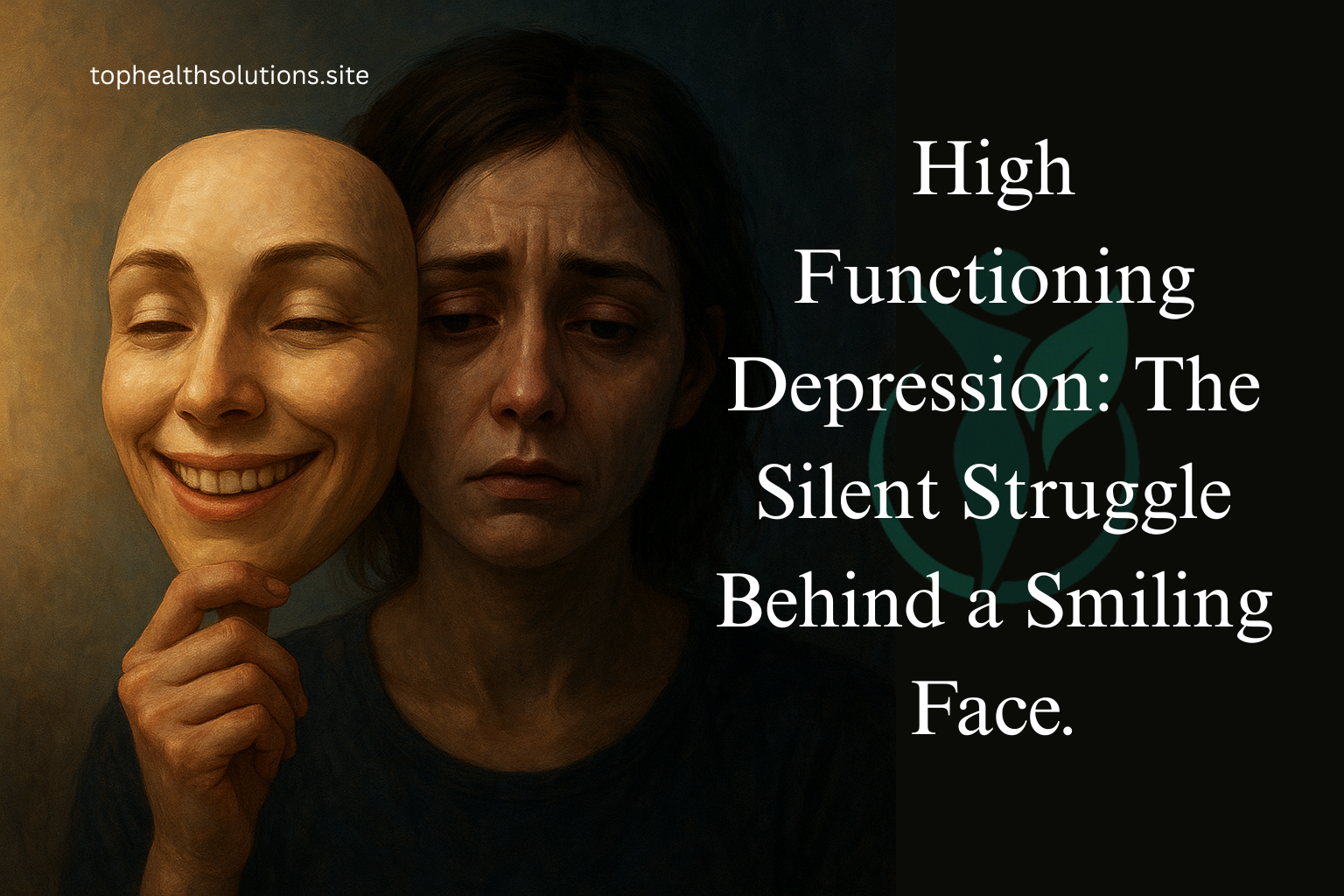
High functioning depression is a term used to describe individuals who appear successful, productive, and even happy on the outside, yet internally they struggle with persistent feelings of sadness, emptiness, and hopelessness.
Unlike major depressive disorder, where symptoms can be visibly debilitating, high functioning depression often hides in plain sight. Many people with this condition manage careers, relationships, and responsibilities without revealing their inner turmoil.
Clinically, it is often linked to Persistent Depressive Disorder (PDD) or dysthymia—a chronic form of depression lasting for years.
Why Is High Functioning Depression Dangerous?
The danger lies in its invisibility. Since individuals continue to function at a high level, their struggles are often minimized or overlooked. Friends, family, and even medical professionals may not notice the signs until the condition worsens.
This “smiling depression” can silently lead to:
Burnout and exhaustion
Declining mental and physical health
Damaged relationships
Substance abuse as a coping mechanism
Increased risk of suicidal thoughts
The silent killer of motivation, high functioning depression drains your inner spark while making you look “perfect” to the outside world.
Signs and Symptoms of High Functioning Depression.
Recognizing the signs is critical. Below are the most common symptoms:
1. Emotional Signs.
Persistent sadness or emptiness
Feeling disconnected or numb
Loss of interest in once-loved activities
2. Behavioral Signs.
Overworking or staying “busy” to distract from emotions
Procrastination and perfectionism
Difficulty maintaining deep relationships
3. Physical Signs.
Low energy despite adequate sleep
Unexplained body aches and headaches
Changes in appetite or weight
4. Cognitive Signs
Negative self-talk and guilt
Struggles with decision-making
Feeling “not good enough” despite achievements
👉 For more details on depressive symptoms, the Mayo Clinic offers an extensive resource.
What Causes High Functioning Depression?
The causes can be multifactorial, including:
Biological factors – chemical imbalances in the brain, genetics
Environmental triggers – trauma, chronic stress, unhealthy relationships
Psychological factors – perfectionism, high self-expectations, unresolved trauma
Why People With High Functioning Depression Hide Their Struggles.
Many individuals mask their symptoms due to:
Fear of stigma – Worrying others will see them as “weak”
Perfectionism – Believing they must maintain a flawless image
Responsibility overload – Careers, family, and social life demand constant functioning
Self-denial – Convincing themselves it’s “not serious enough” to seek help
Wearing a mask every day is exhausting. High functioning depression forces people to smile while they’re silently screaming inside.
High Functioning Depression vs. Major Depression.
| Feature | High Functioning Depression | Major Depression |
|---|
| Daily Functioning | Appears normal; continues work and social life | Severely impaired |
| Visibility | Hidden from others | More obvious symptoms |
| Duration | Chronic, long-term (often years) | Episodic but intense |
| Risk | High risk of going undiagnosed | Often diagnosed sooner |
Effective Coping Strategies.
While professional treatment is often necessary, there are lifestyle strategies that can help manage symptoms:
1. Seek Professional Help.
Therapy (CBT, DBT, talk therapy)
Medication (antidepressants, under medical guidance)
Support groups
2. Build a Healthy Lifestyle.
Regular exercise (improves serotonin and dopamine levels)
Balanced diet (rich in omega-3s, whole grains, and lean protein)
Quality sleep (7–9 hours nightly)
3. Practice Mindfulness.
Meditation, journaling, and breathing exercises
Limiting social media use
Practicing gratitude daily
4. Strengthen Social Connections.
When to Seek Immediate Help.
If high functioning depression leads to severe symptoms such as suicidal thoughts, immediate professional help is crucial. In the U.S., you can dial 988 (Suicide & Crisis Lifeline).
Final Thoughts.
High functioning depression is often overlooked because those affected manage to keep life moving smoothly on the surface. But beneath the mask lies a daily battle with sadness, exhaustion, and emptiness.
By recognizing the signs, spreading awareness, and encouraging open conversations, we can reduce stigma and help those silently struggling.
Don’t let the smile fool you—high functioning depression is real, painful, and deserves attention. Healing starts when we stop hiding.