"Explore the importance of health and wellness in today’s busy lifestyle and discover effective tips, strategies, and trusted resources to improve your well-being & live a healthier life."
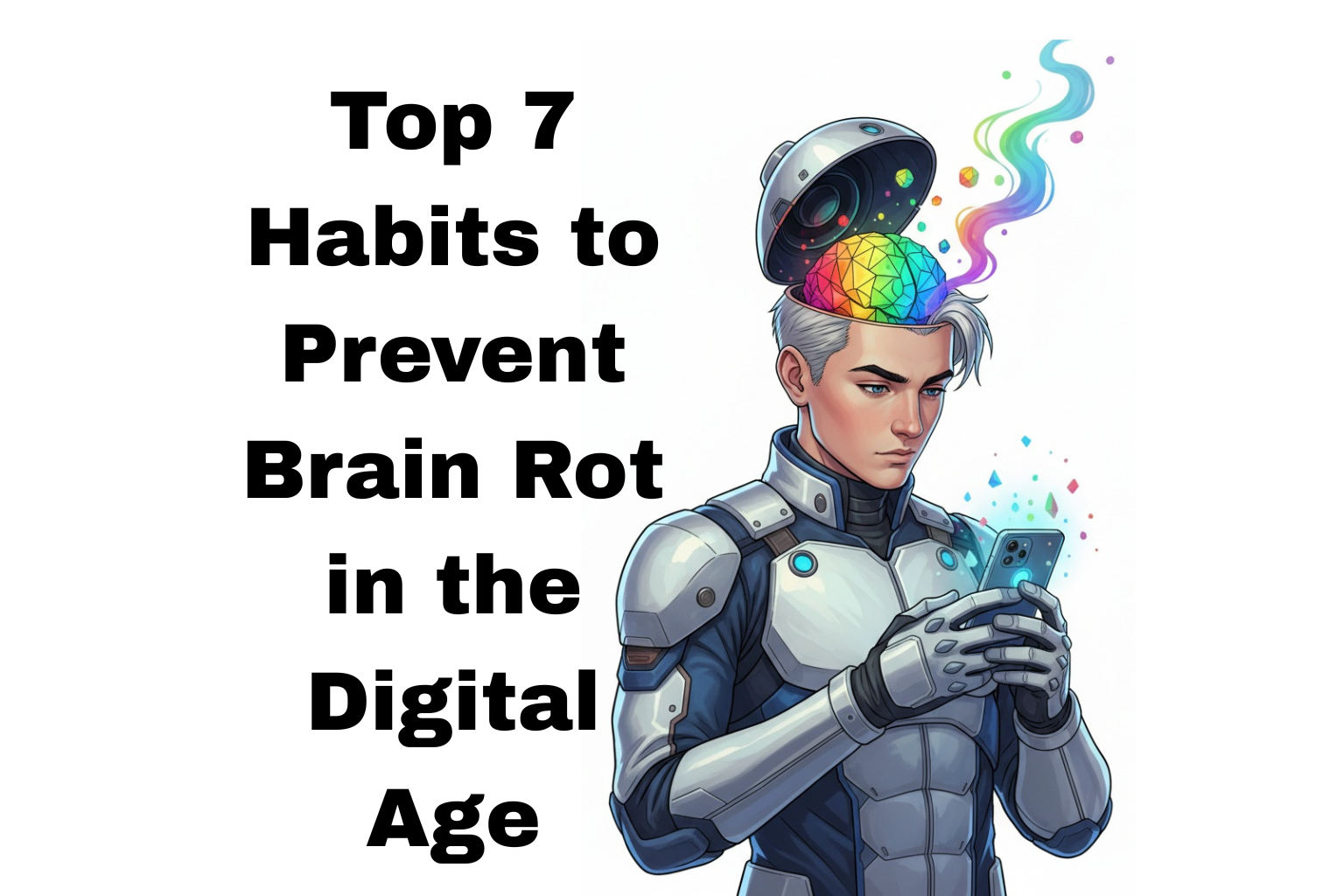
In today’s hyper-connected digital world, we are constantly bombarded with endless streams of information—from social media feeds to breaking news, emails, and viral content. While technology brings convenience, it also poses a hidden threat to our mental well-being: Brain Rot.
Brain Rot refers to the mental stagnation, lack of focus, and cognitive decline caused by excessive digital consumption, particularly from platforms that promote short, dopamine-driven content. Over time, this can lead to reduced attention span, memory problems, and decreased productivity.
The good news? You can take control of your mind. By adopting scientifically proven and sustainable habits, you can protect your brain, improve mental clarity, and thrive in the digital age.
In this article, we’ll explore the top 7 habits to prevent Brain Rot and maintain peak mental performance.
1. Limit Short-Form Content Consumption.
Short-form content, such as TikTok videos, Instagram Reels, and YouTube Shorts, delivers instant dopamine hits. While entertaining, constant exposure can rewire your brain to crave quick rewards, making it harder to focus on deep tasks.
Why It Matters:
Actionable Tip:
Set daily screen-time limits. Apps like Digital Wellbeing and Freedom can help you block distractions and reclaim focus.
2. Practice Deep Work.
Coined by Cal Newport, deep work refers to the ability to focus without distraction on cognitively demanding tasks. Unlike shallow scrolling, deep work strengthens your brain, boosts creativity, and enhances problem-solving skills.
Why It Matters:
Builds long-term concentration.
Enhances learning and memory retention.
Protects against the negative effects of Brain Rot.
Actionable Tip:
Dedicate at least 2–3 hours daily to uninterrupted deep work. Turn off notifications, put your phone in another room, and use techniques like the Pomodoro method for maximum efficiency.
3. Prioritize Sleep and Recovery.
Sleep is essential for memory consolidation, detoxification of brain cells, and emotional balance. Lack of quality sleep accelerates cognitive decline, leaving you more vulnerable to Brain Rot.
Why It Matters:
Strengthens neural connections.
Enhances problem-solving and creativity.
Improves mental resilience in the digital age.
Actionable Tip:
Stick to a consistent sleep schedule.
Avoid screens at least 1 hour before bedtime.
Consider blue-light blocking glasses to reduce digital strain.
4. Read Long-Form Content Daily.
Unlike short clips, long-form reading—books, research papers, or in-depth articles—encourages deep thinking and sustained focus. It trains your brain to process complex ideas, increasing resilience against digital distractions.
Why It Matters:
Builds critical thinking.
Expands vocabulary and memory.
Strengthens attention span.
Actionable Tip:
Set aside 20–30 minutes daily for reading. Opt for physical books or Kindle to reduce screen fatigue. Consider starting with personal development classics or non-fiction on topics that challenge your thinking.
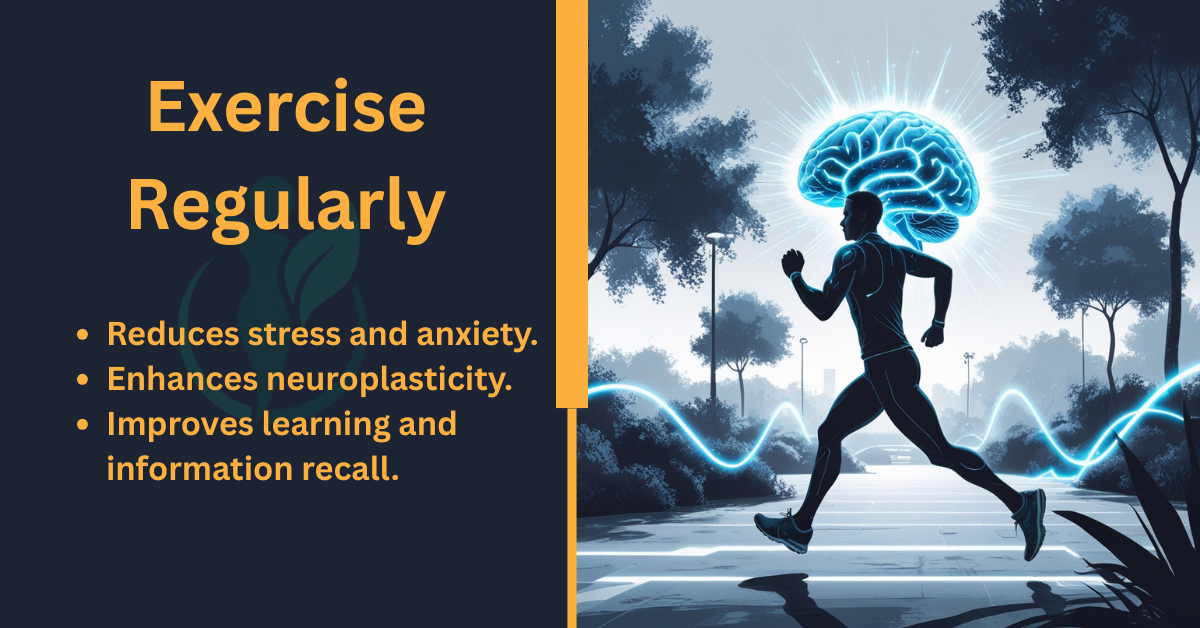
5. Exercise Regularly.
Physical exercise doesn’t just strengthen your body—it sharpens your brain. Studies show that aerobic activities increase blood flow to the brain, improve memory, and stimulate the release of Brain-Derived Neurotrophic Factor (BDNF), which protects neurons from damage.
Why It Matters:
Reduces stress and anxiety.
Enhances neuroplasticity.
Improves learning and information recall.
Actionable Tip:
Incorporate at least 150 minutes of moderate exercise weekly. Activities like jogging, cycling, yoga, or even daily walking can significantly reduce the risk of Brain Rot.
6. Practice Mindfulness and Digital Detox
Constant multitasking and overstimulation lead to mental fatigue. Mindfulness meditation and periodic digital detoxes can reset your brain, restore clarity, and improve self-awareness.
Why It Matters:
Reduces stress and mental clutter.
Improves focus and decision-making.
Strengthens long-term mental resilience.
Actionable Tip:
External resource: Mindful.org offers free guides to get started.
7. Build Strong Offline Connections.
Human interaction is essential for mental health. Social media likes and comments cannot replace the cognitive and emotional benefits of real conversations. Strong offline relationships help reduce loneliness and protect against Brain Rot.
Why It Matters:
Actionable Tip:
Schedule regular meetups with friends and family.
Join local clubs, volunteer groups, or sports teams.
Replace some digital interactions with phone calls or face-to-face talks.
Conclusion..
Brain Rot is one of the greatest challenges of our digital age. The endless consumption of short-form content, lack of deep focus, and overreliance on technology can silently damage your cognitive abilities. But you don’t have to let it control you.
By adopting these 7 proven habits—limiting short-form content, practicing deep work, prioritizing sleep, reading long-form content, exercising regularly, embracing mindfulness, and nurturing offline connections—you can retrain your brain, boost productivity, and protect your mental health for the long term.
Take action today. Your brain is your most powerful asset—don’t let the digital world rot it away.