
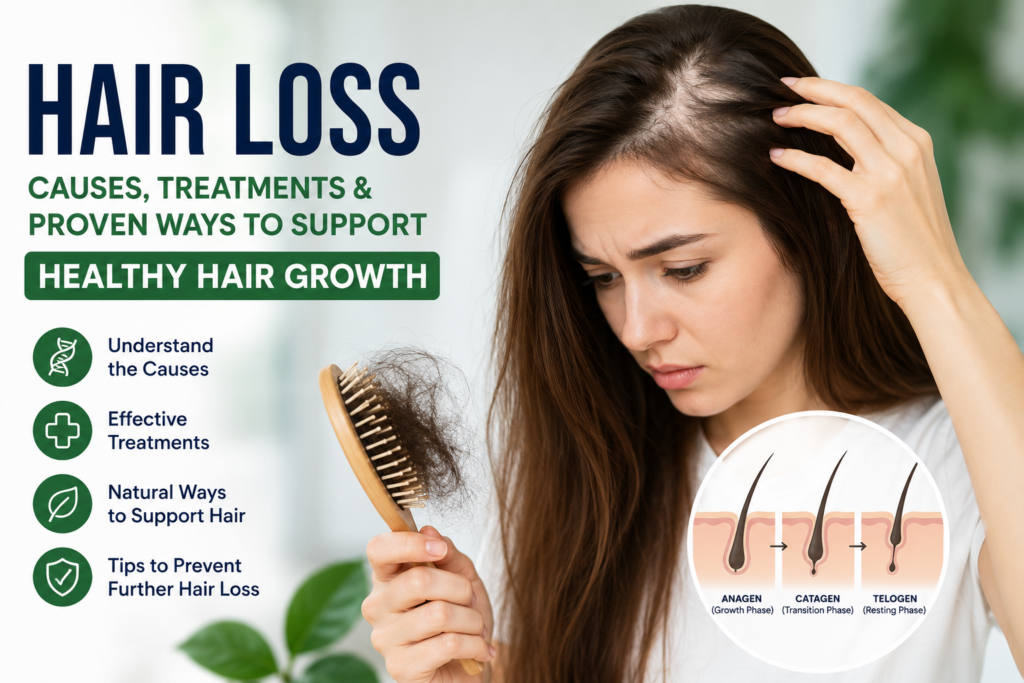
Hair loss is one of the most common concerns for both men and women. While losing a small amount of hair every day is normal, noticeable thinning or excessive shedding can affect confidence and quality of life. The good news is that many cases of hair thinning can be managed once you understand the underlying cause and choose the right approach.
Hair changes often happen gradually, making them easy to ignore at first. Some people notice a widening part, while others find more hair on their pillow or in the shower. Paying attention to these early signs can help you take action before the problem becomes more severe.
What Is Hair Loss?
This is the condition in which hair falls out faster than new hair grows. The medical term for this condition is alopecia. It can affect only the scalp or other parts of the body, depending on the cause.
Healthy hair grows in a natural cycle. Each strand goes through a growth phase, a resting phase, and a shedding phase. When this cycle becomes disrupted, hair may begin to thin or fall out more quickly than normal.
It is important to remember that not everyone experiences hair thinning in the same way. Some develop small bald patches, while others notice gradual thinning across the scalp. The pattern often depends on genetics, age, hormones, and overall health.
Common Causes.
Genetics
Hereditary factors are the most common reason people experience thinning hair. This condition, often called male or female pattern hair thinning, develops gradually over time.
In men, it usually starts with a receding hairline or thinning at the crown. Women often notice a wide hair part and reduced hair density across the top of the scalp.
Although genetics cannot be changed, early treatment may help slow the progression and preserve existing hair.
Hormonal Changes
Hormones play a major role in maintaining healthy hair growth.
Pregnancy, childbirth, menopause, thyroid disorders, and conditions like polycystic ovary syndrome (PCOS) may all contribute to increased hair shedding. In many cases, hormone related thinning improves once hormone levels become balanced.
Stress
Physical and emotional stress can push more hair follicles into the shedding phase.
Major surgery, illness, high fever, emotional trauma, or long periods of anxiety may trigger temporary hair shedding known as telogen effluvium.
The encouraging news is that stress related hair shedding often improves within several months after the body recovers.
Poor Nutrition
Your hair depends on vitamins, minerals, and protein to stay healthy.
Low intake of iron, zinc, vitamin D, vitamin B12, and protein may contribute to thinning hair. Crash diets and rapid weight loss can also interrupt the normal hair growth cycle.
Eating a balanced diet supports not only healthy hair but also overall well-being.
Medical Conditions
Several health conditions may contribute to excessive hair shedding. Autoimmune disorders, scalp infections, thyroid disease, anemia, and certain chronic illnesses may interfere with healthy hair growth.
If excessive hair shedding develops suddenly or becomes severe, consulting a healthcare professional is the safest way to identify the underlying cause.
Medications
Some prescription medications list increased hair shedding as a possible side effect.
Drugs used for cancer treatment, high blood pressure, depression, blood clot prevention, and certain autoimmune conditions may affect the hair growth cycle.
Never stop taking prescribed medication without discussing it with your healthcare provider.
Early Signs You Should Not Ignore.
The condition often develops slowly, making early symptoms easy to miss.
You may notice extra hair collecting in your hairbrush, more strands in the shower drain, or increased shedding while washing your hair.
Some people experience a gradually widening part, while others notice their ponytail becoming thinner.
Itching, redness, excessive dandruff, or scalp irritation may also indicate an underlying scalp condition that deserves attention.
Recognizing these warning signs early provides more opportunities to protect existing hair.
Can This Condition Be Prevented?
Not every type of hair loss can be prevented, especially when genetics play a significant role. However, healthy habits can reduce avoidable damage and support stronger hair.
A balanced diet rich in lean protein, fruits, vegetables, whole grains, and healthy fats provides nutrients that support hair follicles.
Managing stress through regular exercise, quality sleep, and relaxation techniques may also help maintain a healthy hair growth cycle.
Avoid overly tight hairstyles that constantly pull on the hair roots. Repeated tension may eventually lead to traction alopecia, which can become permanent if ignored.
Limiting excessive heat styling, harsh chemical treatments, and frequent bleaching may also reduce unnecessary hair breakage.
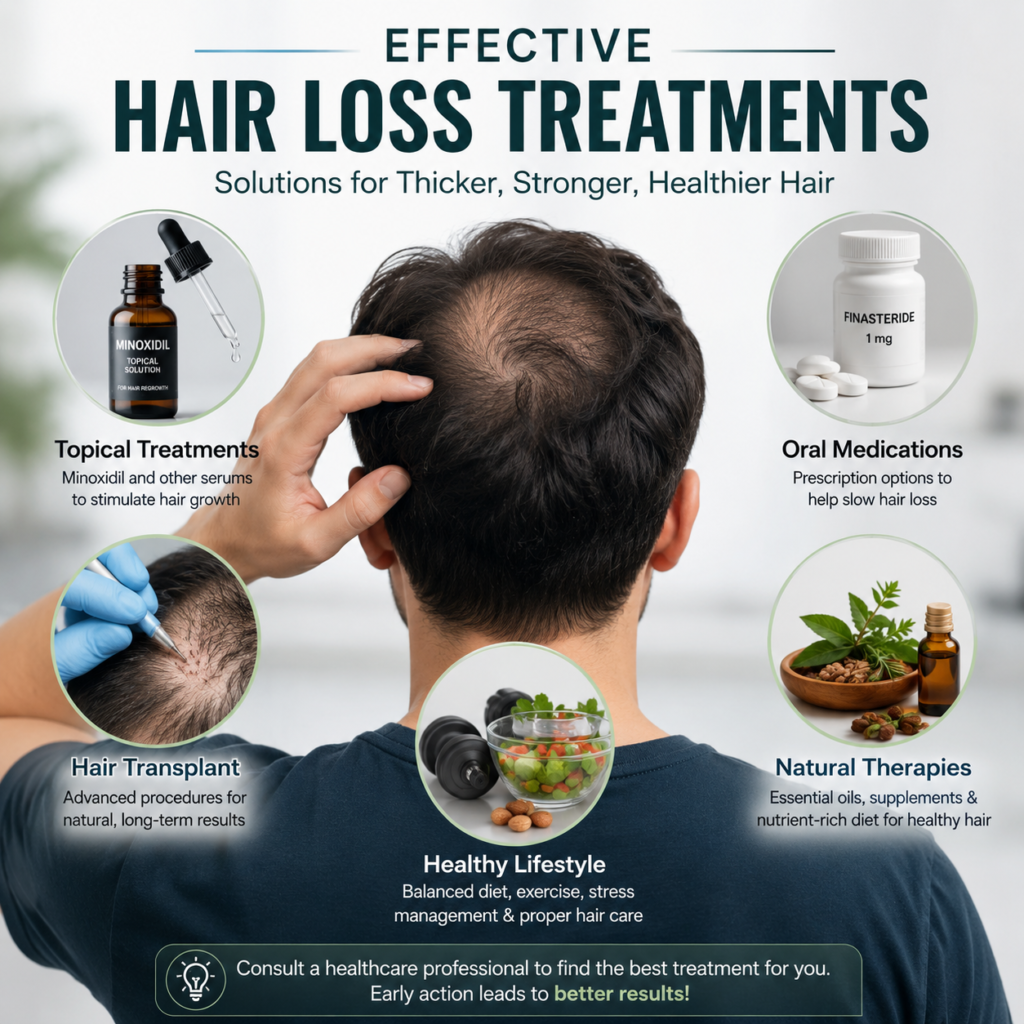
Effective Treatments.
Topical Medications
Some topical treatments have been shown to help certain types of this condition by extending the hair growth phase and stimulating inactive follicles.
Results usually require patience. Many people need several months of consistent use before seeing visible improvement.
Oral Medications
For some individuals, healthcare providers may recommend prescription medications depending on the underlying cause.
These treatments work differently and should only be used under medical supervision because they may not be suitable for everyone.
Hair Transplant Surgery
Hair transplant procedures have become increasingly advanced over the years.
During the procedure, healthy hair follicles are moved from one area of the scalp to areas affected by thinning or baldness.
Results often look natural when performed by experienced specialists, although surgery is generally recommended only for carefully selected candidates.
Natural Ways to Support Healthy Hair.
Natural approaches cannot reverse every form of this condition, but they may support overall scalp health.
Gentle scalp massage may improve blood circulation around hair follicles. Using a mild shampoo that matches your scalp type can help reduce irritation.
Eating enough protein is especially important because hair is primarily made of keratin, a structural protein. A balanced diet that includes nutrient-dense superfoods can help provide the nutrients needed to support healthy hair growth and overall scalp health. Staying hydrated, getting enough sleep, and avoiding smoking also contribute to healthier hair over time.
Some people also wonder whether supplements like creatine affect hair health. Current research has not established that creatine directly causes this condition in healthy individuals and more studies are needed to fully understand any possible relationship.
Foods That May Support Healthy Hair Growth.
A healthy diet cannot guarantee that shedding will stop, but it can give your hair follicles the nutrients they need to function properly. Hair is made mostly of protein, so eating enough high-quality protein is an important part of maintaining healthy hair.
Foods rich in iron may also support normal hair growth. Lean meats, beans, spinach, and fortified cereals are common sources of iron. If iron levels are low, a healthcare provider may recommend testing before suggesting supplements.
Healthy fats are another important part of a balanced diet. Foods such as salmon, walnuts, flaxseeds, and avocados provide nutrients that help support overall scalp health. Eggs, berries, sweet potatoes, and leafy green vegetables also contain vitamins and antioxidants that contribute to healthy hair.
Rather than relying on a single “superfood,” aim for a varied diet that provides consistent nutrition over time. Healthy eating benefits your entire body, including your hair.
Hair Care Habits That Can Reduce Hair Damage.
Daily hair care plays an important role in protecting your hair from unnecessary breakage. While these habits may not cure this condition caused by genetics or medical conditions, they can help reduce damage and keep existing hair healthier.
Wash your hair with a gentle shampoo that suits your scalp type. Avoid scrubbing aggressively, as rough handling may weaken fragile hair strands.
Conditioning your hair regularly can help reduce friction and make hair easier to manage. Wet hair is more vulnerable to breakage, so gently pat it dry with a soft towel instead of rubbing it vigorously.
Try to limit frequent use of high-heat styling tools. Blow dryers, flat irons, and curling irons can damage the hair shaft over time if used excessively. When heat styling is necessary, using a heat protectant may help reduce damage.
Chemical treatments such as bleaching, relaxing, and frequent coloring may also weaken hair. Giving your hair time to recover between treatments can help maintain its strength.
Common Myths.
There are many myths about losing hair that continue to spread online, making it difficult to separate fact from fiction. One common myth is that wearing hats causes baldness. In reality, normal hats do not stop hair from growing or damage healthy hair follicles.
Another common misconception is that washing your hair frequently causes excessive shedding. Washing simply removes hairs that have already reached the natural shedding phase. It does not increase the number of hairs that fall out.
Some people believe that shaving the head makes hair grow back thicker. Hair may appear thicker after shaving because the ends are blunt, but shaving does not change the number, thickness, or growth rate of hair follicles.
It is also easy to believe every supplement advertised online. While some supplements may help people with confirmed nutrient deficiencies, no supplement can solve every cause of hair shedding. Choosing treatments based on reliable medical advice is always the better approach.
When Should You See a Doctor?
Occasional shedding is normal, but certain situations deserve medical attention.
If you notice sudden hair shedding, large bald patches, scalp pain, severe itching, or rapid thinning, it is important to consult a healthcare professional.These symptoms may point to an underlying condition that requires proper diagnosis and treatment.
Hair shedding accompanied by fatigue, unexplained weight changes, irregular menstrual cycles, or other health concerns may also indicate hormonal or nutritional problems.
Early evaluation often leads to better treatment options. Identifying the cause as soon as possible can help prevent further hair thinning and improve the chances of maintaining healthy hair.
Final Thoughts
Hair loss is a common condition that affects millions of people, but it is not something you have to ignore. Understanding why hair is thinning is the first step toward finding the most appropriate solution.
Healthy lifestyle habits, balanced nutrition, gentle hair care, and early medical evaluation can all play an important role in supporting long-term hair health. While some causes of hair shedding are temporary, others may require ongoing treatment and patience.
The most effective approach is to focus on evidence-based information instead of quick fixes or unrealistic promises. By taking consistent care of your scalp, maintaining a healthy lifestyle, and seeking professional guidance when needed, You can give your hair the best possible environment for healthy growth and reduce its impact over time.

