"Explore the importance of health and wellness in today’s busy lifestyle and discover effective tips, strategies, and trusted resources to improve your well-being & live a healthier life."
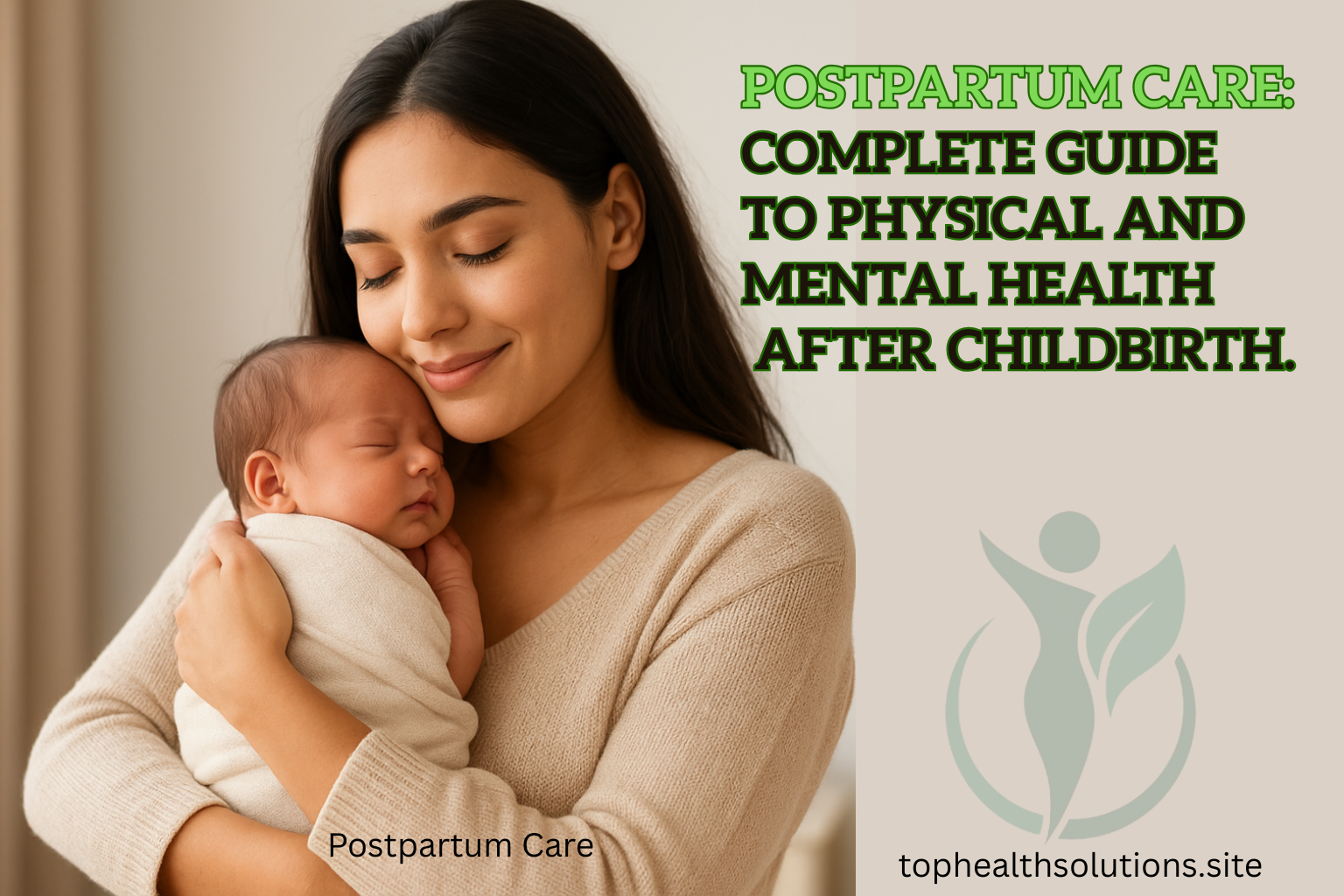
The journey of motherhood is beautiful, but the period after childbirth—known as the postpartum phase—can be overwhelming. New mothers often face a wide range of challenges, from physical recovery to emotional adjustments. Understanding postpartum care is crucial for both mother and baby, as it ensures a smooth recovery, prevents complications, and supports mental health.
In this article, we’ll provide a comprehensive guide to postpartum care, covering physical health, emotional well-being, nutrition, exercise, and tips to balance daily life after childbirth.
What is Postpartum Care?
Postpartum care refers to the medical, emotional, and lifestyle support a woman needs after childbirth. This phase usually lasts for six weeks, but in reality, the healing process can extend for several months. Proper care during this time can reduce complications like infections, postpartum depression, and chronic fatigue.
Importance of Postpartum Care.
Supports Physical Recovery – Helps the body heal after delivery, whether vaginal or cesarean.
Prevents Health Complications – Reduces risks of infections, heavy bleeding, or hormonal imbalance.
Boosts Mental Health – Decreases chances of postpartum depression and anxiety.
Improves Breastfeeding Experience – Ensures proper nutrition and lactation support.
Encourages Self-Care – Helps mothers prioritize their health while caring for their newborn.
Physical Postpartum Recovery.
1. Healing After Vaginal Birth
Expect vaginal soreness, especially if you had stitches.
Use warm water baths (sitz baths) to soothe discomfort.
Keep the perineal area clean and dry to avoid infections.
2. Recovery After Cesarean Birth.
Healing may take longer due to surgery.
Avoid lifting heavy objects.
Keep the incision area clean and follow up with your doctor.
3. Postpartum Bleeding (Lochia)
4. Managing Postpartum Pain.
5. Pelvic Floor Health.
Nutrition for New Mothers.
A balanced diet is essential for healing and breastfeeding.
Protein-rich foods: Eggs, fish, chicken, lentils.
Iron-rich foods: Spinach, beans, red meat.
Calcium sources: Milk, yogurt, almonds.
Healthy fats: Avocado, nuts, olive oil.
Hydration: Drink 8–10 glasses of water daily to support milk production.
👉 Avoid excessive caffeine, processed foods, and alcohol.
Exercise and Postpartum Fitness.
Start with light walking 1–2 weeks after delivery (with doctor’s approval).
Gradually add low-impact exercises like yoga and stretching.
Avoid high-intensity workouts for at least 6 weeks.
Focus on core strengthening and pelvic floor exercises for long-term health.
Mental Health After Childbirth.
1. Baby Blues vs. Postpartum Depression.
Baby blues: Mood swings, crying, anxiety (usually lasts 1–2 weeks).
Postpartum depression: Intense sadness, fatigue, difficulty bonding with baby (lasts longer, needs medical help).
2. Coping Strategies.
Talk openly with family and friends.
Seek professional counseling if symptoms persist.
Join new mother support groups to share experiences.
Breastfeeding and Lactation Care.
Breastfeed within the first hour after birth if possible.
Maintain a comfortable position to avoid back pain.
Eat nutrient-rich foods to support milk supply.
Stay hydrated and rest when possible.
Sleep and Rest for New Mothers.
Sleep deprivation is common.
Nap when your baby sleeps.
Share responsibilities with your partner.
Avoid screen time before sleeping to get quality rest.
Tips for Emotional Balance.
Practice mindfulness and meditation.
Engage in light hobbies or reading.
Accept help from family—don’t try to do everything alone.
Remember: Taking care of yourself is also taking care of your baby.
Common Postpartum Health Issues to Watch For.
Excessive bleeding or foul-smelling discharge.
Severe abdominal or pelvic pain.
Signs of infection (fever, swelling, redness).
Severe mood swings or thoughts of self-harm.
👉 Contact your healthcare provider immediately if you notice these symptoms.
FAQs About Postpartum Care.
Q1. How long does postpartum recovery take?
Most mothers recover within 6–8 weeks, but full recovery (especially after C-section) can take months.
Q2. Can I exercise immediately after delivery?
Light walking is fine after 1–2 weeks, but wait at least 6 weeks before doing high-impact exercises.
Q3. How can I improve my mental health after childbirth?
Stay connected with loved ones, practice self-care, and seek medical help if needed.
Conclusion.
Postpartum care is not just about physical healing—it’s about nurturing both body and mind. By focusing on proper nutrition, gentle exercise, emotional support, and rest, new mothers can experience a smoother recovery and enjoy motherhood more fully.
Remember, every mother’s journey is unique. Always consult your healthcare provider for personalized postpartum advice.