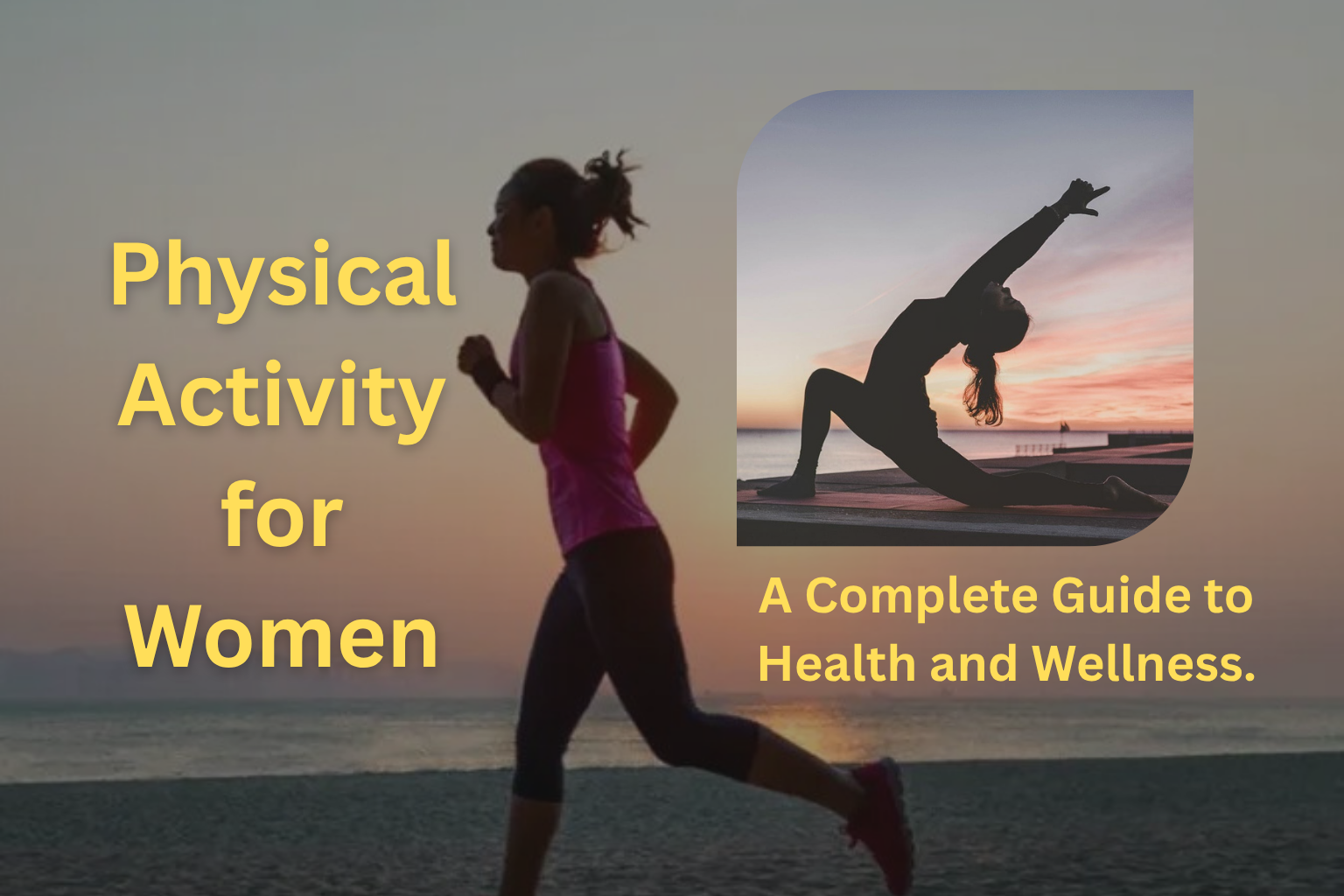
"Explore the importance of health and wellness in today’s busy lifestyle and discover effective tips, strategies, and trusted resources to improve your well-being & live a healthier life."
In today’s fast-paced world, prioritizing health is essential, and physical activity for women plays a pivotal role in maintaining overall well-being. Regular exercise not only enhances physical fitness but also improves mental health, reduces the risk of chronic diseases, and promotes longevity. Despite these benefits, many women struggle to incorporate adequate physical activity into their daily routines due to work, family responsibilities, or lack of motivation. This comprehensive guide explores the importance of physical activity for women, practical strategies, and expert insights to help women lead healthier lives.
Why Physical Activity Is Crucial for Women.
Engaging in regular physical activity provides numerous health benefits specific to women:
Bone Health: Women are more prone to osteoporosis as they age, making weight-bearing exercises like walking, jogging, or resistance training crucial for maintaining bone density. According to the National Osteoporosis Foundation, regular physical activity can significantly reduce the risk of fractures and osteoporosis.
Cardiovascular Health: Heart disease remains the leading cause of death among women globally. Aerobic exercises such as swimming, cycling, or brisk walking can strengthen the heart, improve circulation, and lower blood pressure and cholesterol levels.
Weight Management: Incorporating both cardio and strength training can help women manage weight effectively while enhancing muscle tone and metabolic health.
Mental Health Benefits: Physical activity stimulates the release of endorphins, which reduce stress, anxiety, and depression. Studies show that women who exercise regularly report better mood and overall mental well-being (Harvard Health).
Hormonal Balance: Exercise helps regulate hormones, which can alleviate menstrual discomfort, improve fertility, and reduce symptoms of menopause.
Types of Physical Activity for Women.
Women can choose from various types of exercises depending on their goals, fitness level, and lifestyle:
1. Aerobic Exercises.
Aerobic or cardio exercises increase heart rate and improve cardiovascular health. Examples include:
Brisk walking
Running or jogging
Swimming
Dancing or Zumba
Cycling
These exercises enhance stamina, burn calories, and boost mood.
2. Strength Training.
Strength or resistance training is essential for building and maintaining muscle mass. Benefits include:
Women can start with bodyweight exercises like squats, lunges, push-ups, or use dumbbells and resistance bands.
3. Flexibility and Balance Exercises.
Flexibility and balance are critical for preventing injuries and maintaining mobility, especially as women age. Activities include:
Yoga
Pilates
Tai Chi
Stretching routines
These exercises also help reduce stress and improve mental clarity.
4. Functional Fitness.
Functional exercises mimic everyday movements, improving strength and coordination. Examples include:
Functional fitness is particularly beneficial for women managing household chores or physically demanding jobs.
How Much Physical Activity Do Women Need?
The World Health Organization (WHO) recommends that adults, including women, engage in at least:
Moderate-intensity activity can be as simple as brisk walking, gardening, or cycling, while vigorous activities include running, high-intensity interval training (HIIT), or competitive sports.
Even small amounts of activity are beneficial. Studies suggest that breaking activity into 10–15 minute sessions throughout the day can significantly improve health outcomes.
Overcoming Barriers to Physical Activity.
Many women face challenges that prevent them from exercising regularly. Here are practical solutions:
Time Constraints: Incorporate short workouts into your daily routine, such as a 15-minute morning yoga session or a brisk walk during lunch breaks.
Motivation: Set achievable goals, track progress with apps, or join fitness communities for support.
Physical Limitations: Choose low-impact activities like swimming, cycling, or chair exercises to reduce strain on joints.
Lack of Knowledge: Follow trusted fitness resources or consult certified trainers to create safe, effective routines (American Council on Exercise).
Special Considerations for Women.
1. Pregnancy
Physical activity during pregnancy, such as prenatal yoga or walking, can improve mood, reduce pregnancy complications, and enhance recovery after childbirth. Women should consult their healthcare provider before starting any new exercise routine.
2. Menopause
Exercise during menopause can reduce the risk of heart disease, maintain bone health, and improve sleep quality. Weight-bearing and resistance exercises are particularly beneficial during this stage.
3. Mental Health
Women are more susceptible to stress, anxiety, and depression. Mind-body exercises like yoga, Pilates, and tai chi have been shown to improve emotional well-being and reduce symptoms of anxiety and depression (Mayo Clinic).
Tips for Staying Active Every Day.
Incorporate Movement into Daily Life: Take the stairs, walk or cycle for errands, and perform household chores actively.
Set Realistic Goals: Start small and gradually increase intensity and duration.
Mix It Up: Combine cardio, strength, and flexibility exercises to avoid boredom and achieve balanced fitness.
Track Progress: Use fitness trackers or journals to stay motivated.
Listen to Your Body: Rest and recovery are essential to prevent injuries and maintain long-term consistency.
Popular Physical Activity Trends for Women.
HIIT Workouts: Short, intense bursts of exercise for maximum calorie burn.
Wearable Fitness Technology: Smartwatches and fitness trackers help monitor steps, heart rate, and calories.
Group Fitness Classes: Zumba, spin, and boot camps provide social motivation.
Outdoor Activities: Hiking, cycling, and kayaking combine fitness with nature.
Physical activity for women is more than just a fitness trend; it is a lifelong investment in health and well-being. By incorporating a variety of exercises, setting realistic goals, and prioritizing both physical and mental health, women can lead stronger, happier, and healthier lives.
Remember, it’s never too late to start moving. Even small steps today can lead to significant improvements in overall health tomorrow.