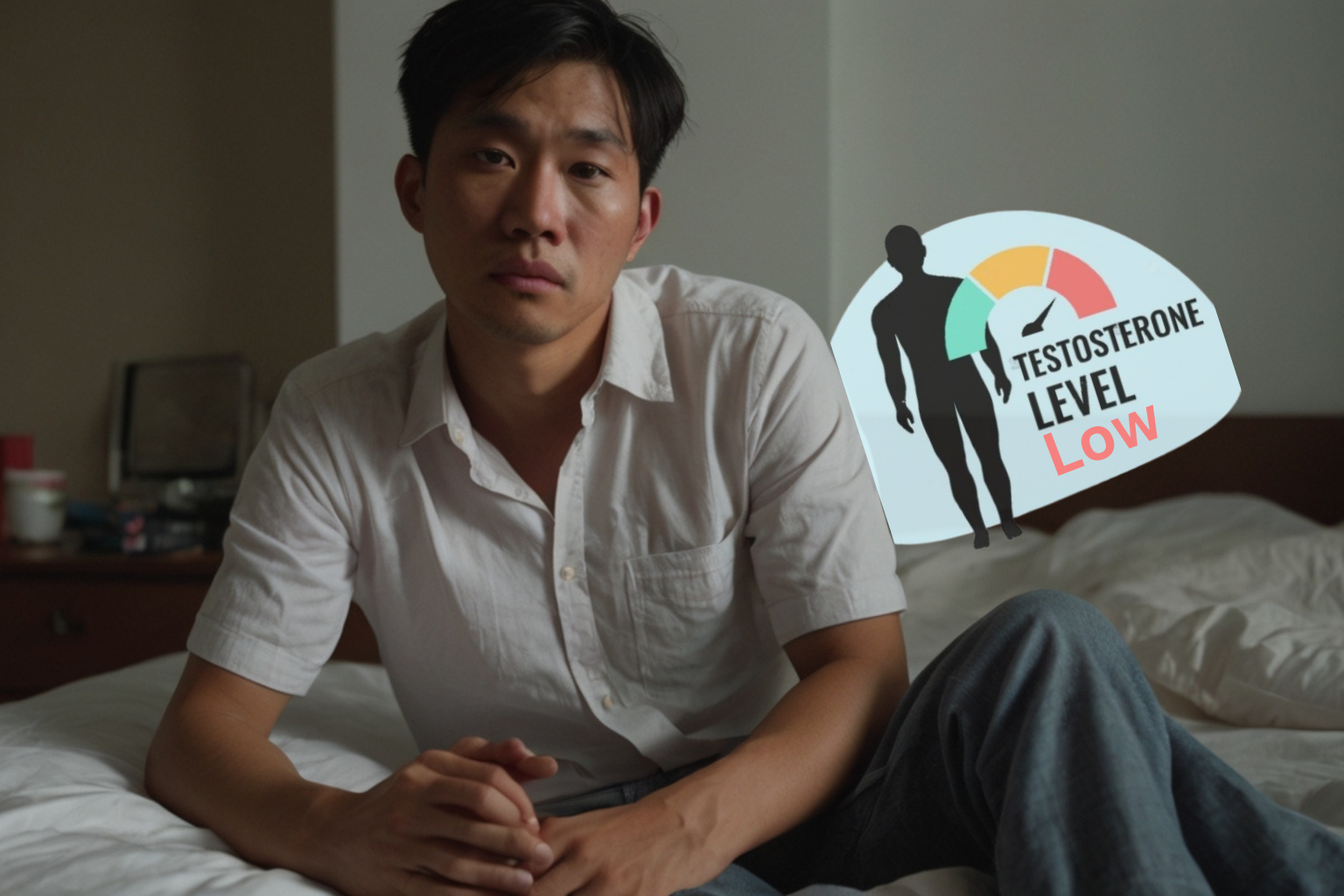
Testosterone is a vital hormone in men that plays a crucial role in maintaining overall health, energy levels, and sexual function. As men age, testosterone levels naturally decline, but for some, this decrease can be more pronounced, leading to noticeable symptoms that impact quality of life. Recognizing the low testosterone signs for men early can help in seeking appropriate treatment and maintaining a healthier lifestyle.
Understanding Testosterone and Its Importance.
Testosterone is not just about muscle mass or sexual drive; it influences bone density, fat distribution, red blood cell production, and even mood regulation. When testosterone levels drop below normal, men may experience a variety of physical, emotional, and cognitive changes. According to Mayo Clinic, low testosterone, or hypogonadism, affects millions of men worldwide, yet it often goes undiagnosed because symptoms can be subtle or mistaken for natural aging.
Common Physical Signs of Low Testosterone.
One of the most noticeable changes when testosterone levels decline is physical. Men may experience decreased muscle mass, reduced strength, and increased body fat, particularly around the abdomen. Hair loss or thinning body hair can also be an early sign. Some men report that their skin becomes thinner, and their bone density may decrease over time, increasing the risk of fractures. Fatigue is another common symptom, where even a full night’s sleep may not provide the usual energy levels.
Sexual Health Changes.
A drop in testosterone can significantly affect sexual health. Men may notice a decreased libido, fewer spontaneous erections, and difficulties with sexual performance. Over time, these changes can impact confidence and intimate relationships. According to Cleveland Clinic, addressing low testosterone can often improve sexual function and overall wellbeing when combined with lifestyle modifications.
Emotional and Mental Symptoms.
Hormonal changes do not only affect the body—they influence the mind as well. Low testosterone can lead to mood swings, irritability, anxiety, or even depression. Some men experience difficulty concentrating, reduced motivation, or a general sense of mental fog. Recognizing these signs is essential, as they can affect professional performance, personal relationships, and day-to-day life.
Sleep Disturbances.
Sleep problems are common among men with low testosterone. Insomnia, poor sleep quality, or sleep apnea may develop or worsen. In turn, disrupted sleep further decreases testosterone production, creating a challenging cycle that impacts energy, mood, and overall health.
Lifestyle Factors That Affect Testosterone Levels.
While aging is a natural factor in testosterone decline, lifestyle choices can accelerate or mitigate this process. Poor diet, excessive alcohol consumption, smoking, chronic stress, and lack of physical activity can all contribute to reduced testosterone levels. Maintaining a balanced diet rich in essential nutrients, engaging in regular resistance training or high-intensity workouts, managing stress, and prioritizing sleep can help preserve hormonal balance naturally.
Medical Evaluation and Testing.
If men notice multiple low testosterone signs, it is important to consult a healthcare provider for proper evaluation. Blood tests can measure testosterone levels and identify whether symptoms are linked to hormonal imbalance. Early detection allows for timely intervention, which may include lifestyle adjustments, supplementation, or hormone replacement therapy under medical supervision.
Treatment Options.
Treatment for low testosterone varies depending on the underlying cause and severity. For some, natural approaches such as weight management, exercise, and a nutrient-rich diet are sufficient. Others may benefit from medically supervised testosterone replacement therapy (TRT), which can help restore hormone levels, improve mood, increase energy, and support sexual health. However, it is critical to discuss the potential risks and benefits of TRT with a qualified medical professional.
Preventive Measures and Healthy Habits.
Preventing low testosterone or mitigating its impact involves adopting long-term healthy habits. Regular physical activity, particularly strength training and cardiovascular exercises, can help maintain optimal testosterone levels. A diet rich in protein, healthy fats, and micronutrients like zinc and vitamin D supports hormone production. Avoiding excessive alcohol, managing stress through mindfulness or meditation, and ensuring sufficient sleep are also essential components of a testosterone-friendly lifestyle.
Final Thoughts.
Recognizing low testosterone signs for men is key to maintaining overall health and quality of life. While some decline in testosterone is natural with age, early identification and proactive management can help prevent significant physical, emotional, and sexual health issues. Consulting a healthcare provider, adopting healthy lifestyle practices, and exploring treatment options when necessary can make a meaningful difference in a man’s wellbeing.
Remember, testosterone is not just a number on a lab report—it is a cornerstone of men’s health. Taking steps to monitor and support it can lead to a healthier, more energetic, and fulfilling life.
"Explore the importance of health and wellness in today’s busy lifestyle and discover effective tips, strategies, and trusted resources to improve your well-being & live a healthier life."