
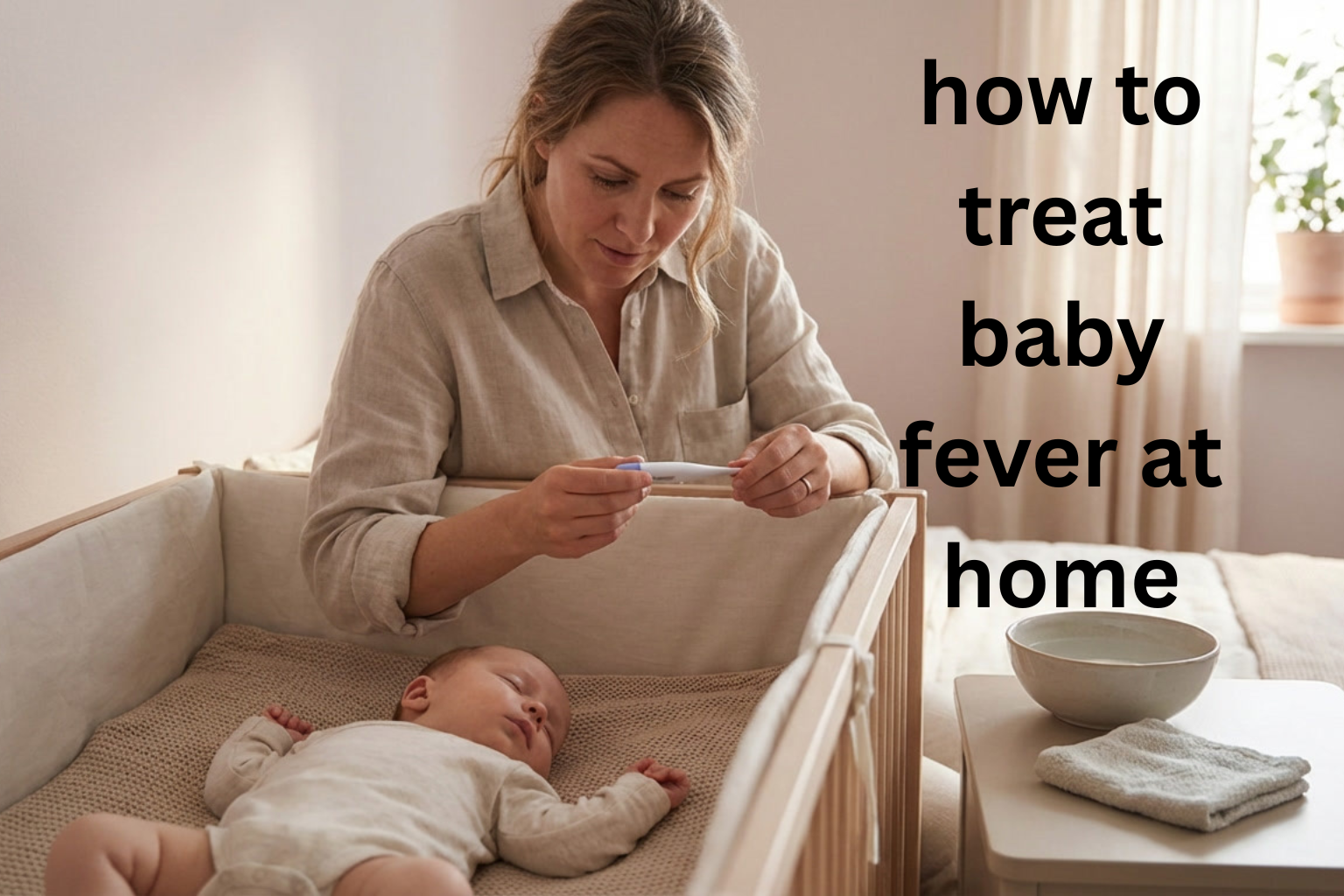
How to Treat Baby Fever at Home: Safe and Gentle Care Every Parent Should Know.
Our Blogs
Details
How to Treat Baby Fever at Home: Safe and Gentle Care Every Parent Should Know.
Author
Top Health Solutions.
Post Date
April 12, 2026

Seeing your baby with a fever can instantly make you worried. It feels uncomfortable and stressful, especially if you are a new parent. But the truth is, most fevers are not dangerous. They are the body’s natural defense against infection. When you understand how to treat baby fever at home, you can take calm, confident steps to help your little one feel better.
In many cases, simple home care is enough. The key is to focus on comfort, hydration, and close observation.
Understanding Baby Fever in Simple Terms.
A fever happens when your baby’s body temperature rises above normal. It is not a disease on its own. It is a signal that the immune system is working to fight germs.
Normal body temperature in babies usually stays between 97°F and 100.3°F. A temperature of 100.4°F or higher is considered a fever.
Most fevers are caused by viral infections like colds or flu. If you want to understand more about fever causes and how the body responds, it helps to know that fever is actually a protective response.
How to Treat Baby Fever at Home Safely.
When your baby has a mild fever but still feeds well and stays alert, you can manage it at home with simple care.
Keep Your Baby Well Hydrated.
Fluids play a big role in recovery. Fever can lead to fluid loss, so you need to make sure your baby stays hydrated.
Breast milk or formula should be your first choice. Feed your baby more often in small amounts. If your baby is older than six months, you can offer a little water.
Hydration also supports your baby’s immune system. Many parents focus on treatment but forget prevention. Simple habits that support child immunity and natural defense can reduce how often your baby gets sick.
Dress Your Baby Lightly.
It may feel natural to cover your baby when they are sick, but too many clothes can trap heat.
Choose soft, light clothing. Keep the room at a comfortable temperature. Avoid heavy blankets unless your baby feels cold.
Let your baby’s body release heat naturally.
Try a Lukewarm Sponge Bath.
A gentle sponge bath can help lower your baby’s temperature in a safe way.
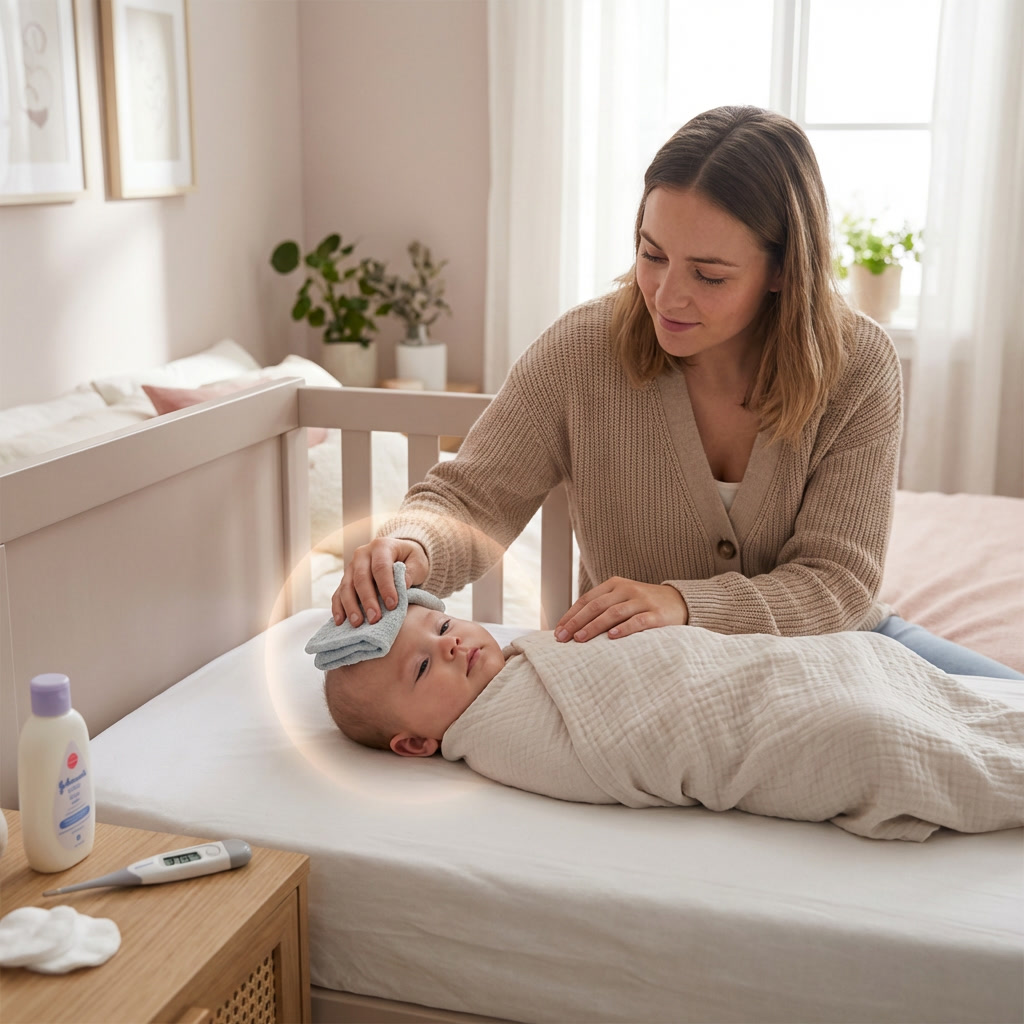
Use lukewarm water. Do not use cold water because it can cause shivering. Gently wipe your baby’s forehead, arms, and legs.
This method works slowly but effectively.
Let Your Baby Rest Naturally.
Rest is one of the most powerful ways the body heals.
Do not try to keep your baby active. Create a calm and quiet space. Let your baby sleep as much as needed.
Sleep helps the immune system fight infection faster and more effectively.
Use Medicine Carefully.
Sometimes your baby may feel uncomfortable due to fever. In that case, you can use medicine like paracetamol.
Always follow the correct dose based on your baby’s weight and age. Never guess the dose.
You can learn proper guidelines from trusted sources like the safe use of fever medicine in children to avoid mistakes.
Signs That Need Extra Attention.
While learning how to treat baby fever at home, you should also know when something is not normal.
Watch your baby closely. If your baby becomes too sleepy, refuses to eat, or cries non-stop, take it seriously.
Breathing problems, repeated vomiting, or unusual behavior are warning signs.
In these cases, home care is not enough.
When You Should See a Doctor.
Some situations require medical help.
If your baby is younger than three months and has a fever, do not wait. Visit a doctor immediately.
If the fever lasts more than two days, gets very high, or comes with a rash, you should seek advice.
You can also explore expert-backed advice on when a baby’s fever becomes serious to stay on the safe side.
Common Mistakes Parents Should Avoid.
Many parents try to act fast but make small mistakes that can make things worse.
Using ice packs or cold baths is not a good idea. It may shock your baby’s body.
Giving adult medicine is dangerous and should never be done.
Ignoring fluids or forcing too much food can also slow recovery.
Staying calm and following simple care steps is always the best approach.
Gentle Ways to Comfort a Baby with Fever.
Your baby needs comfort just as much as treatment.
Hold your baby close. Skin contact can be very soothing. Speak in a soft voice. Keep the lights low and the room peaceful.
Even small actions like placing a soft cloth on the forehead can help your baby relax.
These simple moments of care make a big difference.
How Long Does Baby Fever Usually Last?
Most mild fevers go away within one to three days.
If the fever continues or keeps coming back, you should not ignore it. It may need medical attention.
Consistency in care is important when you are learning how to treat baby fever at home.
Quick Care Chart for Baby Fever at Home.
| Situation | What You Should Do |
|---|---|
| Mild fever (100–101°F) | Hydration, rest, light clothing |
| Moderate fever (101–102°F) | Sponge bath, monitor closely |
| High fever (102°F+) | Consider medicine, consult doctor if needed |
| Baby not feeding well | Increase fluids, monitor hydration |
| Unusual symptoms | Seek medical help immediately |
FAQ
Is fever always dangerous for babies?
Can I treat baby fever without medicine?
How often should I check my baby’s temperature?
Can teething cause fever?
When should I worry the most?
Final Thoughts.
Understanding how to treat baby fever at home gives you confidence and control in a stressful moment.
Most fevers go away with simple care, love, and attention.
Focus on hydration, rest, and comfort. Watch your baby closely. Trust your instincts.
And remember, when something does not feel right, it is always better to get medical advice early.
"Explore the importance of health and wellness in today’s busy lifestyle and discover effective tips, strategies, and trusted resources to improve your well-being & live a healthier life."
- Ranjit Chandra Mozumder.
Related Blogs
What are common baby health concerns?
Our Blogs Details What are common baby health concerns? Author Top Health Solutions. Post Date March 30, 2026 View 0 Shares What are common baby health concerns is one of the most important questions for new parents because babies go through rapid physical changes during their first year. In this stage, even small symptoms can feel worrying. Most baby health issues are normal and manageable, but knowing what to expect helps parents respond quickly and confidently.This guide explains the most common health concerns in babies, their signs, simple care tips, and when to seek medical help. It is written in a clear, practical way to help you feel more prepared and less stressed. Newborn baby health concerns you should know. Newborns have developing immune systems, so they are more sensitive to infections and minor conditions. Below are the most frequent issues.1. Feeding difficultiesMany babies struggle with breastfeeding or bottle feeding at the start.Common signs:Poor latch or weak suckingFrequent crying during feedingNot gaining weight properlyWhat parents can do:Try different feeding positionsEnsure proper latch techniqueFeed on demand, not on strict schedulesFeeding issues are often temporary and improve with time.2. Jaundice in newborns.Mild jaundice is very common in the first week of life.Signs:Yellowish...

Best Foods for Hormone Balance Guide for Women.
Our Blogs Details Best Foods for Hormone Balance Guide for Women. Author Top Health Solutions. Post Date March 26, 2026 View 0 k Shares Hormones play a major role in how your body feels and functions every day. From mood swings to weight gain, sleep issues to low energy, everything connects back to hormonal health. That’s why understanding the Best Foods for Hormone Balance is so important if you want to feel your best naturally.In this guide, you’ll learn which foods help regulate hormones, why they work, and how to include them in your daily routine without overcomplicating things. Why Hormone Balance Matters. Hormones act as chemical messengers in your body. They control metabolism, mood, reproductive health, and even your skin.When your hormones are balanced, you feel:More energeticMentally stablePhysically activeEmotionally steadyBut when they’re off, you may experience:FatigueWeight gainAcneIrregular periodsAnxiety or mood swingsThat’s where the Best Foods for Hormone Balance come in. The right nutrition can support your body naturally without relying only on medication. How Food Affects Hormones. Your diet directly impacts hormone production and regulation. Certain nutrients help your body:Produce hormones efficientlyDetox excess hormonesReduce inflammationSupport gut healthA poor diet, on the other hand, can disrupt insulin, cortisol, and estrogen...
