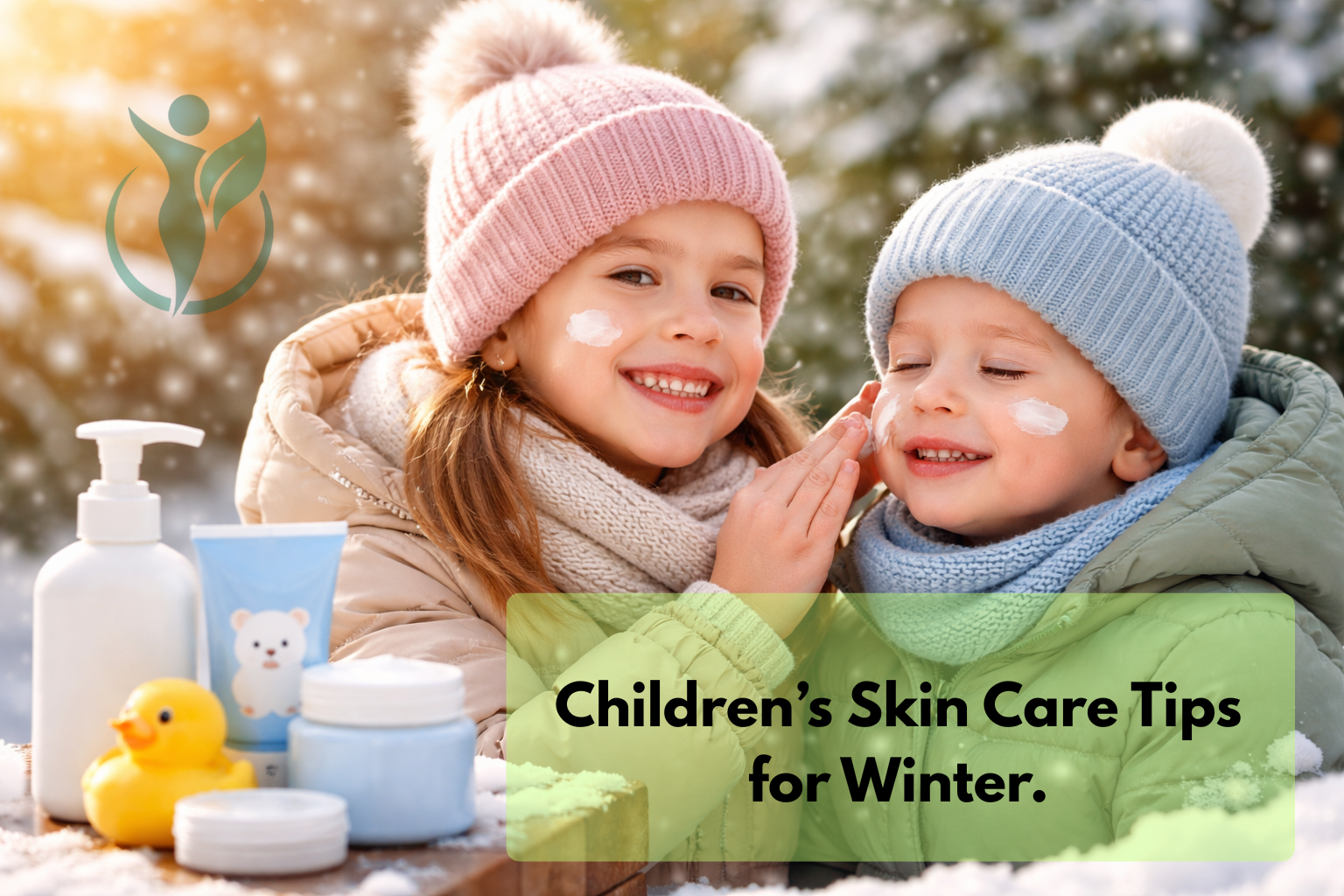
Winter is often a challenging season for parents when it comes to children’s health, and skin problems are one of the most common concerns. Cold weather, dry air, and indoor heating can quickly damage a child’s delicate skin. Unlike adults, children have thinner skin and a weaker natural barrier, which makes them more vulnerable to dryness, irritation, and infections during winter. That is why proper children’s skin care is not optional, it is essential.
Many parents notice rough patches, itching, redness, cracked lips, or flaky skin as soon as temperatures drop. Some children even experience painful conditions like eczema flare-ups during winter. The good news is that most of these problems can be prevented with simple, safe, and consistent care. You do not need complicated routines or expensive products. You need the right approach based on science and common sense.
This article explains practical, reliable, and parent-approved winter skin care tips that truly work. Everything shared here is safe, informative, and written to help your child stay comfortable and protected all winter long.
Why Winter Affects Children’s Skin So Easily.
Cold air holds very little moisture. When winter arrives, the humidity level drops both outdoors and indoors. Heating systems further dry the air, pulling moisture out of the skin. For children, this effect is stronger because their skin produces less natural oil compared to adults.
Medical experts from the American Academy of Pediatrics explain that children’s skin loses moisture faster and becomes irritated more easily in cold weather, which increases the risk of dryness, itching, and inflammation. This is why seasonal adjustment in children’s skin care is extremely important.
If dryness is ignored, it can lead to cracked skin, bleeding, or bacterial infections. Preventive care always works better than treatment, especially for young children.
Choose Gentle Cleansers Instead of Regular Soap.
One of the most common winter skin mistakes parents make is using regular soap for children. Many soaps contain harsh chemicals and strong fragrances that strip away natural oils from the skin. During winter, this can make dryness much worse.
Instead, choose a mild, fragrance-free cleanser made specifically for children or sensitive skin. Soap-free or moisturizing cleansers clean the skin without damaging its protective barrier. These products help maintain hydration while still removing dirt and germs.
Bath time should be short and gentle. Long baths and hot water may feel comforting, but they actually remove moisture from the skin. Health professionals from the NHS recommend using lukewarm water and keeping baths under ten minutes to protect sensitive skin in winter.
Moisturizing Is the Most Powerful Step in Winter Skin Care.
If there is one step you should never skip in children’s skin care, it is moisturizing. Moisturizer helps repair the skin barrier and prevents water loss. The best time to apply moisturizer is immediately after bathing, while the skin is still slightly damp.
During winter, thick creams or ointments work better than light lotions. Creams contain more oil, which helps seal moisture into the skin for longer periods. Ingredients like glycerin, ceramides, petroleum jelly, and shea butter are known to be safe and effective for children.
Apply moisturizer at least twice a day, and more often if your child has very dry skin. Consistent moisturizing can dramatically reduce itching, redness, and flaking.
Protect Exposed Skin From Cold Wind and Dry Air.
Winter wind can be harsh on exposed skin, especially the face, ears, lips, and hands. Before your child goes outside, apply a layer of moisturizer to exposed areas to create a protective barrier against cold air.
Clothing also plays a big role in winter skin protection. Dress children in soft, breathable layers. Cotton fabrics are usually better than wool, which can cause itching and irritation. Gloves, scarves, and hats are essential to protect skin from windburn and cracking.
Dry indoor air is another hidden enemy. Using a humidifier at home can significantly improve air moisture and support healthy children’s skin care. Make sure the humidifier is cleaned regularly to prevent mold and bacteria.
Special Care for Lips and Hands During Winter.
Chapped lips and cracked hands are extremely common in winter, especially among children. Cold air, frequent handwashing, and lip licking can quickly damage sensitive skin.
Encourage your child not to lick their lips, as saliva makes dryness worse. Apply a child-safe lip balm regularly, especially before going outside and at bedtime. Products containing petroleum jelly or beeswax are usually effective and safe.
Hands need extra care as well. Frequent washing is important for hygiene, but it dries out the skin. Experts at the Mayo Clinic recommend applying moisturizer immediately after handwashing to prevent dryness and irritation. This small habit can make a big difference during winter.
Special Care for Lips and Hands During Winter.
Winter clothing can sometimes irritate children’s skin without parents realizing it. Tight clothes, rough fabrics, and synthetic materials can cause friction, sweating, and rashes.
Always wash new clothes before your child wears them. This removes chemicals and dyes that may irritate the skin. Use mild, fragrance-free laundry detergents designed for sensitive skin. Avoid fabric softeners, as they often contain strong chemicals that can trigger irritation.
Comfortable clothing supports healthy children’s skin care by reducing unnecessary irritation and allowing the skin to breathe.
Nutrition and Hydration Matter More Than You Think.
Healthy skin starts from the inside. During winter, children often drink less water because they do not feel thirsty. However, dehydration can make skin dryness worse.
Encourage your child to drink enough water throughout the day. Warm soups, milk, and healthy beverages can also help maintain hydration. A balanced diet rich in fruits, vegetables, healthy fats, and proteins supports skin repair and immunity.
Health guidance from the Centers for Disease Control and Prevention highlights that proper nutrition plays a key role in maintaining overall child health, including skin strength and resilience.
Managing Eczema and Sensitive Skin in Winter.
Winter can be especially difficult for children with eczema or very sensitive skin. Cold air and dryness often trigger flare-ups, causing intense itching and discomfort.
For children with eczema, moisturizing becomes even more important. Apply thick emollients several times a day and avoid known triggers. Stick to products recommended by your pediatrician or dermatologist.
Never experiment with home remedies or steroid creams without medical advice. If symptoms worsen or do not improve, consult a healthcare professional early. Timely care is a crucial part of responsible children’s skin care.
Avoid Overusing Antibacterial Products.
Many parents rely heavily on antibacterial soaps and sanitizers during winter, especially during flu season. While hygiene is important, overuse of these products can damage the skin barrier.
Whenever possible, choose gentle, alcohol-free sanitizers for children and always follow up with moisturizer. Gentle care protects the skin better than aggressive cleaning.
Build a Simple and Consistent Daily Routine.
Children respond best to simple routines. A basic winter skin care routine should include gentle cleansing, regular moisturizing, and protection before going outdoors.
Make skin care a normal part of daily life, just like brushing teeth. Teaching children about children’s skin care from a young age helps them develop healthy habits that last a lifetime.
Consistency is more important than perfection. Small daily actions add up to strong results.
When to Seek Medical Advice?
If your child experiences severe dryness, painful cracks, bleeding, swelling, or signs of infection, it is important to consult a doctor. Persistent skin problems should never be ignored.
Professional advice ensures proper treatment and prevents long-term complications.
Recommended Solution for Winter Skin Care.
When winter dryness becomes challenging, using a reliable child-safe moisturizer can make a real difference. A well-formulated children’s skin care product helps lock in moisture, repair the skin barrier, and protect delicate skin from the harsh effects of cold weather. Parents often notice visible improvement when they choose a trusted skin care formula that provides long-lasting hydration and comfort. By selecting the right child skin care product, you ensure your child’s skin stays soft, healthy, and protected throughout the winter season, giving both children and parents peace of mind.
Final Thoughts.
Winter does not have to mean uncomfortable or damaged skin for your child. With gentle products, smart habits, and consistent care, you can protect your child’s skin effectively throughout the cold season.
Proper children’s skin care supports comfort, confidence, and overall well-being. By following these simple, science-based tips, you can keep your child’s skin soft, healthy, and protected all winter long.
"Explore the importance of health and wellness in today’s busy lifestyle and discover effective tips, strategies, and trusted resources to improve your well-being & live a healthier life."