Our Blogs

Blogs

/

Blog Details

Hormonal Changes in Women After 30: How to Recognize and Manage Them.

Author

Top Health Solutions.

Post Date

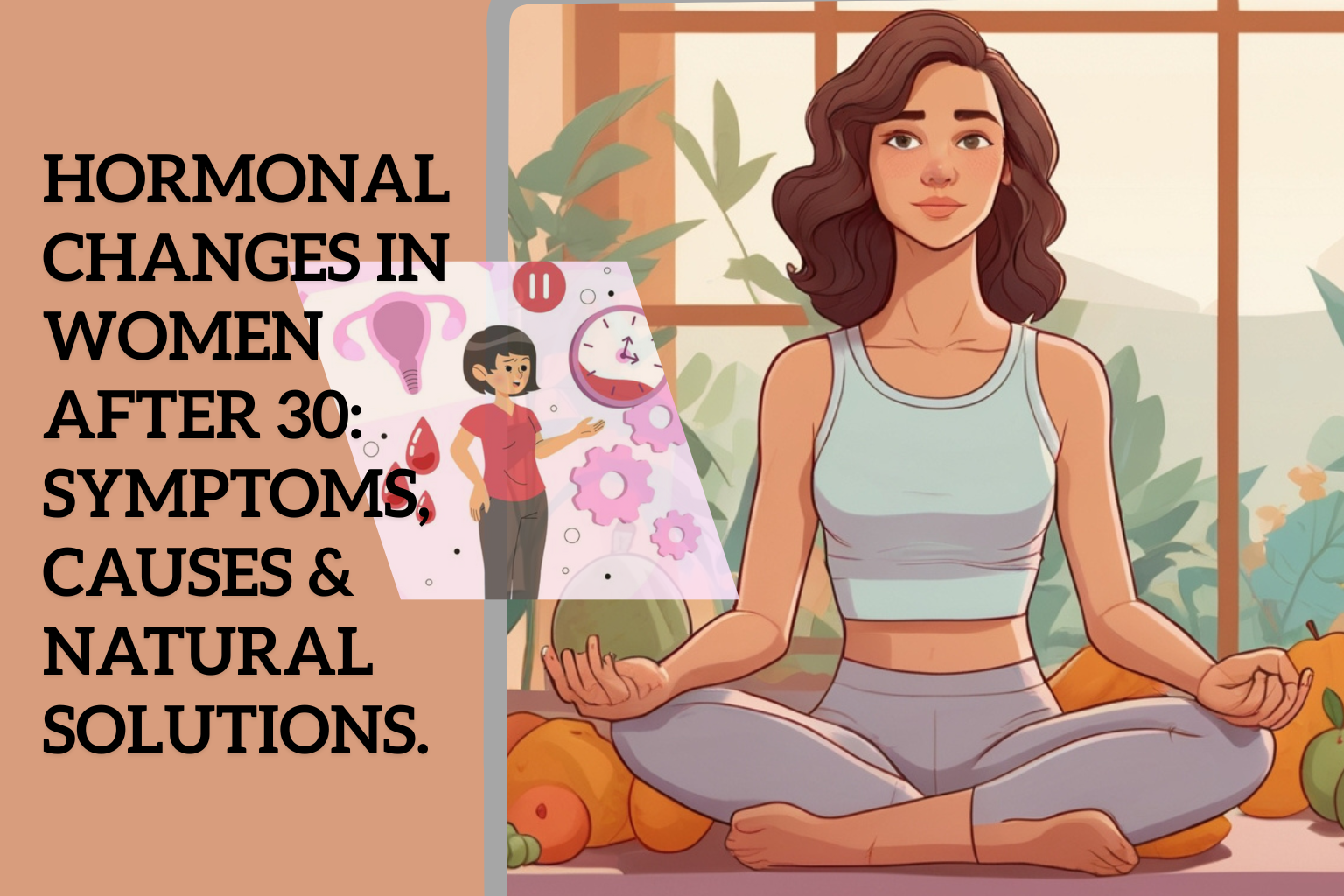
Cartoon illustration of a healthy woman in her 30s experiencing hormonal changes, looking thoughtful and calm.
View
0
Shares

"Explore the importance of health and wellness in today’s busy lifestyle and discover effective tips, strategies, and trusted resources to improve your well-being & live a healthier life."

As women step into their 30s, many notice subtle yet powerful shifts in their body and overall health. These changes often trace back to hormonal fluctuations, which can influence everything from energy levels to mood, metabolism, and reproductive health. Understanding these hormonal changes in women after 30 is not only important for managing symptoms but also for making smart lifestyle choices that enhance long-term health.

In this article, we’ll explore what hormones actually change, why it happens, and what women can do to regain balance naturally.

🔍 Why Do Hormonal Changes Begin After 30?

The female body experiences continuous hormonal adjustments throughout life. But after 30, these changes become more noticeable because of:

  • Declining estrogen and progesterone levels – hormones responsible for menstrual cycles and fertility.

  • Increased cortisol levels from stress and lifestyle factors.

  • Insulin sensitivity shifts, which can impact weight and energy.

  • Early signs of perimenopause, which sometimes begin in the late 30s.

According to Harvard Health Publishing, hormone shifts are natural and gradual but can become disruptive without proper care.

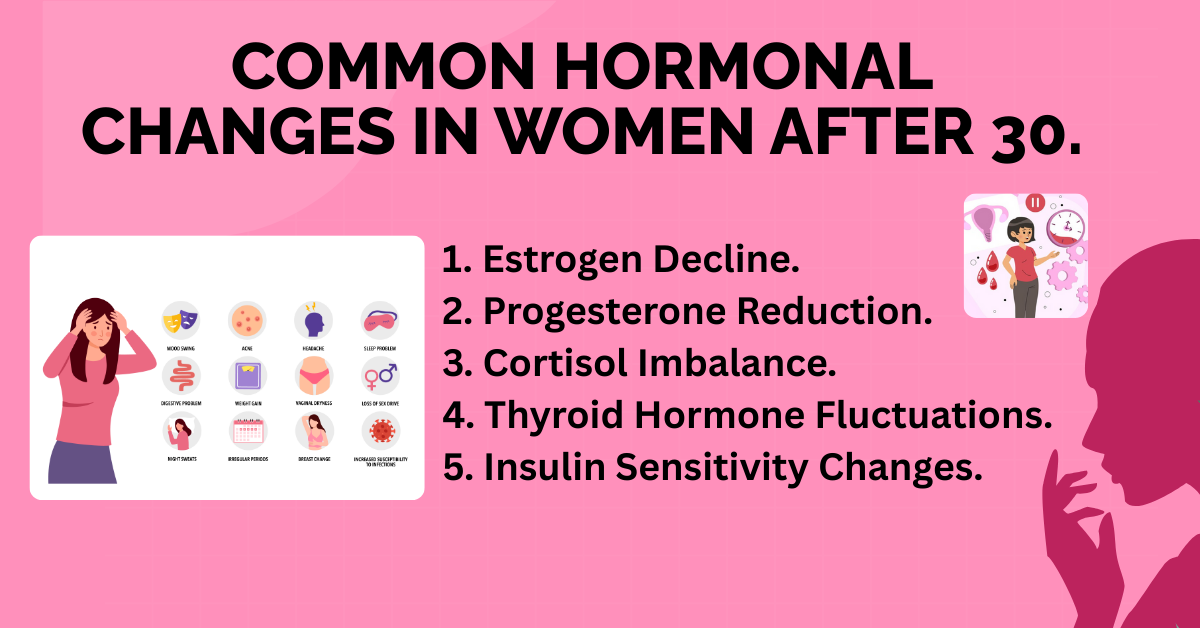
Cartoon illustration of a woman in her 30s experiencing common hormonal changes, looking calm and healthy.

⚡ Common Hormonal Changes in Women After 30.

1. Estrogen Decline.

Estrogen plays a crucial role in regulating the menstrual cycle, bone health, and even skin elasticity. After 30, women may notice:

  • Irregular periods

  • Vaginal dryness

  • Mood swings

2. Progesterone Reduction.

Progesterone balances estrogen. When levels drop:

  • PMS symptoms may intensify

  • Sleep issues like insomnia can appear

  • Anxiety and irritability may increase

3. Cortisol Imbalance (Stress Hormone)

With career, family, and financial responsibilities peaking in the 30s, stress hormone cortisol can remain elevated, leading to:

  • Weight gain around the belly

  • Poor sleep quality

  • Chronic fatigue

4. Thyroid Hormone Fluctuations.

The thyroid gland controls metabolism. Women over 30 are more likely to develop thyroid issues, which cause:

  • Sudden weight changes

  • Hair thinning

  • Brain fog

5. Insulin Sensitivity Changes.

Hormonal shifts may reduce insulin efficiency, causing:

  • Increased sugar cravings

  • Higher risk of developing Type 2 diabetes

  • Energy crashes after meals

💡 Symptoms of Hormonal Changes in Women After 30.

The symptoms vary, but common red flags include:

  • Irregular menstrual cycles

  • Unexplained weight gain

  • Persistent fatigue

  • Low libido

  • Hair loss or thinning

  • Skin issues like acne or dryness

  • Difficulty concentrating

🥦 How to Manage Hormonal Changes Naturally.

The good news is that women can regain balance and thrive by focusing on lifestyle, nutrition, and professional support.

1. Prioritize Hormone-Friendly Nutrition.

Eating the right foods can help regulate estrogen, progesterone, and insulin levels.

✅ Best foods for hormone balance:.
  • Cruciferous vegetables (broccoli, kale, cauliflower)

  • Omega-3 rich foods (salmon, flaxseeds, walnuts)

  • High-fiber grains (quinoa, oats)

  • Lean proteins (chicken, beans, lentils)

🚫 Foods to avoid:

  • Processed sugar

  • Refined carbs

  • Excessive caffeine and alcohol

2. Exercise Smartly.

Regular physical activity lowers cortisol and improves insulin sensitivity.

  • Strength training supports bone and muscle health.

  • Yoga and Pilates reduce stress.

  • Cardio boosts heart health and burns fat.

3. Sleep Like a Queen.

Hormones regenerate during deep sleep. Aim for 7–9 hours nightly, and maintain a consistent bedtime routine.

4. Stress Management Techniques.

Chronic stress is a hormone disruptor. Try:

  • Meditation or mindfulness

  • Journaling

  • Spending time in nature

  • Breathing exercises

5. Supplements and Herbal Support.

Before starting supplements, consult a professional. Commonly recommended ones include:

  • Vitamin D – for bone and hormone health

  • Magnesium – for PMS relief and stress reduction

  • Ashwagandha – an adaptogen that helps balance cortisol

  • Evening Primrose Oil – supports estrogen balance

6. Medical Check-Ups

Regular visits to a gynecologist or endocrinologist ensure early detection of hormone imbalances. Blood tests for thyroid, estrogen, progesterone, and cortisol can provide clarity.

🚀 Power Tips to Boost Hormone Health After 30.

  • Stay hydrated – water flushes toxins that disrupt hormones.

  • Practice mindful eating – avoid late-night snacking.

  • Keep a hormone diary – track cycles, mood, and symptoms.

  • Limit screen time at night – blue light disrupts melatonin.

  • Build a strong support system – emotional health impacts hormones too.

📝 Final Thoughts....

The hormonal changes in women after 30 may feel overwhelming at first, but with the right knowledge and proactive lifestyle changes, women can continue to live a healthy, energetic, and fulfilling life. Instead of fearing these shifts, think of them as signals from your body — guiding you to eat better, move smarter, and care more deeply for your well-being.

By understanding your hormones and working with your body, you’ll not only manage symptoms but also unlock new levels of health, vitality, and confidence.

🔗 External Resources for Women’s Hormonal Health.

# FAQs

❓ Frequently Asked Questions (FAQ) on Hormonal Changes in Women After 30

Early signs include irregular menstrual cycles, mood swings, low energy, sleep disturbances, and unexplained weight changes. Some women may also experience hair thinning and skin problems.

Yes, some women may enter early perimenopause in their late 30s. Symptoms can include hot flashes, night sweats, and irregular periods. However, this varies from woman to woman.

Eating a balanced diet, managing stress, exercising regularly, and getting enough sleep are the most effective natural ways. Supplements like magnesium, vitamin D, and omega-3s may also help.

Yes. Fertility naturally begins to decline in the early 30s due to reduced estrogen and progesterone levels. However, many women can still conceive, especially with proper health management.

If you experience persistent fatigue, sudden weight gain, severe mood swings, or very irregular cycles, it’s best to consult a gynecologist or endocrinologist for testing and treatment.

Related Blogs

Medicube Zero Pore Pad Review: Clearer, Smoother Skin with Dual-Textured Pads.

Our Blogs Details Medicube Zero Pore Pad Review: Clearer, Smoother Skin with Dual-Textured Pads. Author Top Health Solutions. Post Date March 10, 2026 View 0 Shares Skincare can be overwhelming, especially when searching for a product that addresses multiple concerns at once. In this Medicube Zero Pore Pad review, we examine a popular Korean skincare solution designed to refine pores, control excess oil, and leave your skin smooth and radiant. These dual-textured pads are gaining recognition for their effectiveness and gentle formulation suitable for all skin types. See Price What Are Medicube Zero Pore Pads? Medicube Zero Pore Pads 2.0 combine exfoliation and toning in one convenient pad. The dual-textured design features:Embossed side: Gently exfoliates dead skin cells and clears poresSilky side: Tones, smooths, and calms the skinFormulated with 4.5% AHA Lactic Acid and 0.45% BHA Salicylic Acid, these pads effectively reduce oiliness, remove impurities, and refine pores. Suitable for sensitive, combination, acne-prone, and normal skin, the product comes in a pack of 70 pads.Natural ingredients such as white willow bark and citric acid enhance skin clarity, while lavender extract provides a soothing experience. With clinical results showing a 47.1% reduction in sebum and 87.3% decrease in pore waste, these...

Signs of Depression in Men: A Clear and Honest Guide.

Our Blogs Details Signs of Depression in Men: A Clear and Honest Guide. Author Top Health Solutions. Post Date March 4, 2026 View 0 Shares Signs of Depression in Men often look different from what many people expect. Most people think depression always means sadness and tears. However, men often show it in other ways. They may feel angry, empty, tired, or disconnected. Because of this, many cases go unnoticed for years. Depression is not weakness. It is a serious mental health condition that affects millions of men worldwide. Therefore, when you understand the warning signals, you can take action early.That decision can be life-changing and even life-saving. Why Signs of Depression in Men Are Often Different. Men grow up with pressure to stay strong and silent. Many learn to hide pain. As a result, they may avoid talking about emotions. Instead, they push feelings down. Over time, that emotional pressure builds.Because of this pattern, Signs of Depression in Men can appear as irritability, risk-taking, or constant distraction. Some men throw themselves into work. Others turn to alcohol or isolation.Hormones also play a role. Low testosterone levels can affect mood and energy. In addition, chronic stress increases the risk of depression....

Leave a Reply

Your email address will not be published. Required fields are marked *