Our Blogs

Blogs

/

Blog Details

10 Powerful Coping Skills for Men to Overcome Depression & Stress.

Author

Top Health Solutions.

Post Date

Powerful coping skills for men to overcome depression and stress, mental health support
View
0 k
Shares

"Explore the importance of health and wellness in today’s busy lifestyle and discover effective tips, strategies, and trusted resources to improve your well-being & live a healthier life."

Depression and stress are silent but brutal enemies, especially for men who often feel pressure to be resilient, strong, or unemotional. The truth is: suppressing emotions or waiting for “things to get better by themselves” rarely works. To truly rise above the darkness, men need scientifically backed, actionable tools—coping skills that are not just helpful but transformative.

In this article, you’ll discover effective men depression coping skills—practical, powerful strategies you can begin using today to fight stress, lift mood, and rebuild resilience.

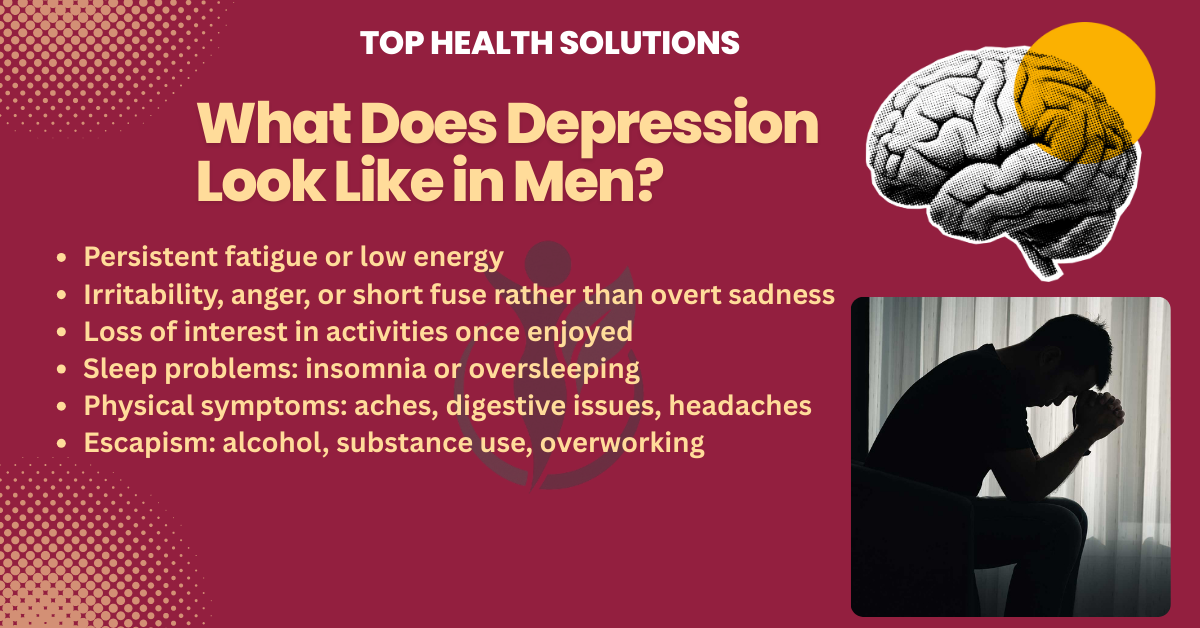
What Does Depression Look Like in Men?

Before diving into coping skills, it’s essential to recognize how depression and excessive stress can manifest in men:

  • Persistent fatigue or low energy

  • Irritability, anger, or short fuse rather than overt sadness

  • Loss of interest in activities once enjoyed

  • Sleep problems: insomnia or oversleeping

  • Physical symptoms: aches, digestive issues, headaches

  • Escapism: alcohol, substance use, overworking

Understanding these signs helps in acknowledging the problem and seeking solutions before things escalate.


Sad man showing signs of depression, struggling with mental health, feeling isolated and stressed.

Why Men Often Delay Seeking Help?

Because of cultural expectations, stigma, or internal beliefs, many men:

  • Fear appearing weak or vulnerable

  • Don’t have outlets to talk openly about emotions

  • Use avoidance: overwork, risky behavior, emotional suppression

These barriers make developing personal coping skills even more crucial.

10 Powerful Coping Skills for Men Depression Coping Skills.

Here are 10 evidence-based, actionable coping skills that can help men battle depression and stress. Use them consistently and combine several for stronger effect.

#Coping SkillWhy It Matters / How It HelpsHow to Practice It
1Physical Exercise & MovementBoosts endorphins, reduces stress hormones, improves sleep and self-esteem. Engaging the body helps release tension and lifts mood.Find an activity you enjoy—running, brisk walking, cycling, martial arts, gym. Aim for at least 30 minutes, 3-5 times per week. Even short bursts count.
2Balanced Sleep RoutineSleep is foundational. Poor sleep increases stress, impairs cognitive function, compensatory behaviors like irritability.Set regular sleep/wake times. Avoid screens 1 hour before bed. Use dark, quiet, cool room. Limit caffeine in late afternoon/evening.
3Healthy NutritionBrain chemistry depends on nutrients. Skipping meals or eating processed/unhealthy foods can worsen mood swings and energy dips.Incorporate whole foods: lean protein, fruits & vegetables, healthy fats (e.g., fish, nuts), whole grains. Stay hydrated. Limit sugar, alcohol.
4Mindfulness, Meditation, RelaxationHelps interrupt negative thought patterns, reduces rumination, improves self-awareness and calm.Try guided meditation apps, deep breathing exercises, progressive muscle relaxation. Even 5–10 min/day can shift mindset.
5Positive Self-Talk & Cognitive TechniquesNegative self-beliefs fuel depression. Training your inner dialogue changes perception and reduces self-criticism.Write down negative thoughts. Ask: is this thought true? What evidence supports/opposes it? Replace with balanced affirmations.
6Purpose, Goals & RoutineHaving structure and goals gives direction. Small wins build confidence. A plan reduces feelings of drift or being overwhelmed.Set short-term goals (daily/weekly) and long-term goals. Build a daily routine that includes work, rest, hobbies, self-care. Review progress regularly.
7Social Support & ConnectionLoneliness intensifies depression. Trusted connections provide perspective, empathy, encouragement. Talking helps to lighten emotional burden.Reach out to trusted friends/family. Join groups or communities. Seek a mentor or peer group. Consider professional support.
8Engaging in Pleasurable/Hobby ActivitiesDoing things you enjoy re-activates purpose, gives relief, builds joy. Gives break from stress.Identify hobbies you used to like or want to try—reading, music, art, gaming, nature walks, cooking. Schedule time for them.
9Helping Others & Acts of KindnessWhen you help someone else, it shifts focus and builds meaning. Offers sense of connection and purpose.Volunteer, assist friends/family, small acts of kindness daily. Even listening or giving praise can help.
10Professional Help When NeededSometimes self-help isn’t enough. Depression may need therapy, counseling or medical intervention.If symptoms are persistent, severe, or interfering with daily life (work, relationships), seek a mental health professional—therapist, counselor, psychiatrist. Don’t wait until crisis.

Combining & Customizing Skills for Maximum Impact.

You don’t have to use all ten skills at once. What matters is consistency and tailoring them to your personality.

  • Start small: Pick 2–3 skills you feel comfortable with. For example, begin with exercise + sleep routine + mindfulness.

  • Track progress: Keep a journal. Notice how mood, energy, sleep improve over weeks.

  • Be patient and kind to yourself: Some days will be harder. That’s okay. Healing is rarely linear.

Overcoming Common Obstacles.

ObstacleSolution
“I don’t have time.”Even short sessions matter: 10 minutes walk, 5 minutes breathing. Use micro-habits. Combine with existing tasks (walk during calls, stretch while watching TV).
“I feel weak admitting I need help.”True strength lies in vulnerability. Everyone struggles. Talking helps you regain control. Other men you respect have felt the same.
“It’s too late / I’ve tried everything.”Change may feel slow, but the brain is adaptable. Try combining different skills; small changes compound. Seek professional help if self-help hasn’t been enough.

Case Study / Real-Life Example.

Example: Raj, a 35-year-old office worker, felt perpetual stress: long hours, no free time, sleep was erratic, he snapped at his partner, lost interest in hobbies. He started simple: began taking a 20-minute walk after work (exercise + nature), set no-phone time before sleeping, joined a weekend soccer group (social & exercise). Over 3 months, he noticed better sleep, fewer angry outbursts, more energy. He also started talking with a counselor when he felt stuck. These compounding changes shifted his mood and self-confidence dramatically.

When to Seek Immediate Help?

If you experience any of these, get help right away:

  • Suicidal thoughts or ideation

  • Thoughts of harming yourself or others

  • Inability to function: severe insomnia, inability to work or do daily tasks

  • Significant weight loss/gain or drastic changes in mood or behaviour

Conclusion.

Men can and do overcome depression. It takes courage, honesty, and a willingness to try different coping skills. The ten powerful men depression coping skills above can empower you to take incremental steps toward healing, resilience, and renewed purpose.

Take action today: decide on two skills to begin with. Commit to those, track your progress, and don’t hesitate to reach out for support. With consistent effort, depression doesn’t have to define your life.

Related Blogs

The Ordinary Hair Care Review: Can This Serum Really Make Your Hair Thicker and Healthier?

If you’ve been searching for a simple yet effective solution for thinning hair, you’ve probably come across the ordinary hair care line. It’s been getting a lot of attention for its science-based formulas and affordable pricing. But does it actually work?In this detailed review, I’ll break down everything you need to know about this popular hair serum—from ingredients and benefits to real-life experience—so you can decide if it’s worth adding to your routine. What Is The Ordinary Hair Care Serum? The ordinary hair care serum is a lightweight, leave-in treatment designed to support healthier-looking, fuller hair. Unlike heavy oils or thick conditioners, this formula targets the scalp directly, which is where real hair growth begins.See PriceIt’s made for daily use and focuses on improving hair density, strengthening roots, and giving your hair a more vibrant look over time. Why Scalp Care Matters for Hair Growth? Before jumping into the product, it’s important to understand one thing: healthy hair starts at the scalp.Many people focus only on shampoos and conditioners. But if your scalp isn’t in good condition, your hair won’t grow properly. That’s why products like this serum focus on nourishing the scalp instead of just coating the hair.As a...

Baby Health Guide to Help Your Baby Growth.

Our Blogs Details Baby Health Guide to Help Your Baby Growth. Author Top Health Solutions. Post Date April 24, 2026 View 0 Shares Raising a baby comes with both joy and responsibility. As a parent, you want to make sure your child grows healthy, active, and safe. This baby health guide is designed to give you clear and practical advice that you can follow every day without confusion. From feeding and sleep to hygiene and development, each part plays an important role in your baby’s overall health.In this baby health guide, you will learn how to build simple habits that support your baby’s growth. When you stay consistent with these habits, your baby gets a strong foundation for both physical and mental development. Understanding Your Baby’s Basic Needs. Before you focus on advanced care, it is important to understand the basic needs of a baby. Every newborn depends completely on parents for food, comfort, and protection. When these needs are met properly, babies grow faster and stay healthier.A good baby health guide always starts with three core areas: nutrition, sleep, and hygiene. If you manage these well, most common problems can be avoided. Feeding and Nutrition for Healthy Growth. Nutrition...