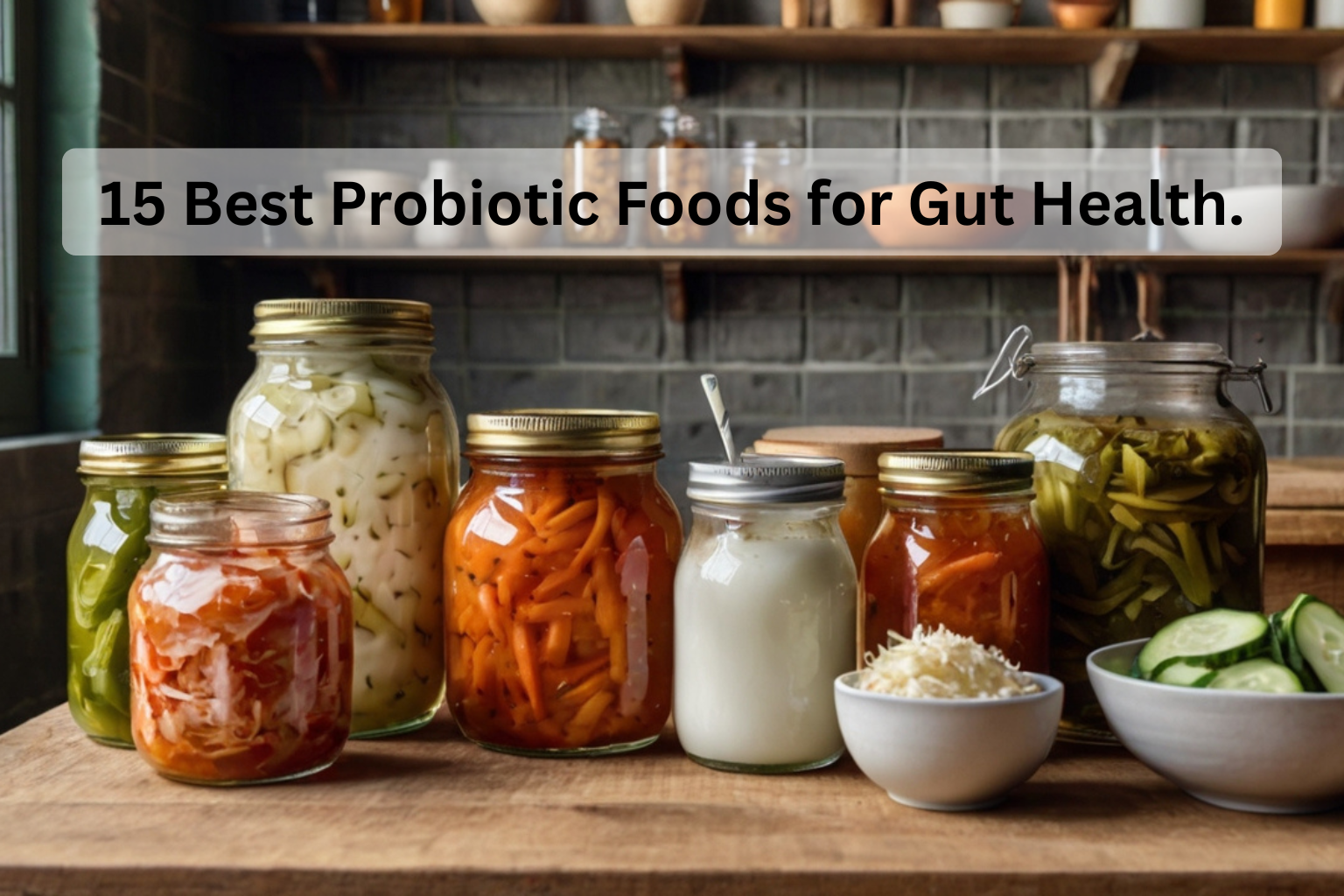
Maintaining a healthy gut is no longer just a wellness trend—it’s one of the most powerful ways to support digestion, immunity, mental health, and overall energy levels. In 2026, more people than ever are turning to probiotic-rich foods to restore balance in the digestive system and naturally improve well-being.
If you’re searching for the best probiotic foods for gut health, you’re in the right place. This comprehensive guide breaks down the most effective probiotic foods, their science-backed benefits, how they improve your microbiome, and how to include them in your daily diet.
What Are Probiotics?
Probiotics are live beneficial bacteria that support your digestive system. These tiny organisms help:
Research from Harvard Health, Mayo Clinic, and Healthline highlights that probiotics can also help with conditions like IBS, diarrhea, constipation, and even anxiety.
Why Gut Health Matters More Than Ever?
Your gut is often called the “Second Brain”, containing over 100 trillion microorganisms.
A healthy gut controls:
So improving gut health through natural foods is one of the most powerful lifestyle changes you can make.
Top 15 Best Probiotic Foods for Gut Health .
Below are the most powerful, science-backed foods packed with natural probiotics.
1. Greek Yogurt — The King of Probiotic Foods
Greek yogurt is one of the most widely recommended probiotic foods.
Rich in Lactobacillus and Bifidobacterium, it helps:
✔ Improve digestion
✔ Reduce bloating
✔ Strengthen immunity
✔ Support weight loss
✔ Rebalance gut microbiota
2. Kefir — A Powerful Liquid Probiotic.
Kefir is a fermented milk drink with up to 3x more probiotic strains than yogurt.
Kefir contains over 50 different beneficial bacteria and yeasts, making it one of the most potent probiotic sources.
3. Sauerkraut — Fermented Cabbage Loaded With Good Bacteria.
A traditional German food, sauerkraut is rich in vitamins and probiotics.
4. Kimchi — Spicy Korean Superfood for Gut Health.
Kimchi is a Korean fermented dish made from cabbage, garlic, ginger, and chili.
Kimchi contains powerful strains like Lactobacillus kimchii, which improve gut diversity.
5. Kombucha — Fermented Tea With Natural Probiotics
Kombucha is a fizzy fermented tea rich in probiotics, organic acids, and antioxidants.
Detoxifies the gut
Reduces harmful bacteria
Supports liver health
Improves digestion
Look for low-sugar varieties with “live cultures.”
6. Miso — Japanese Fermented Soybean Paste
Miso is used in soups, marinades, and sauces.
According to Healthline, miso may even support heart health.
7. Tempeh — Fermented Protein for a Stronger Microbiome
Tempeh is a fermented soybean cake, rich in protein and probiotics.
Tempeh also provides natural prebiotics, which feed good gut bacteria.
8. Pickles (Fermented) — Crunchy and Gut-Friendly
Not all pickles contain probiotics—only naturally fermented pickles do.
“Fermented”
“Naturally cured”
“With live cultures”
These can improve digestion and reduce bloating rapidly.
9. Apple Cider Vinegar (With the Mother)
ACV contains probiotics when it has “the mother” — strands of good bacteria.
Improves stomach acidity
Supports digestion
Regulates blood sugar
Reduces bloating
Drink 1 tablespoon in water before meals.
10. Cottage Cheese (Live Cultures)
Many high-quality cottage cheese brands now include probiotics.
Check labels for “live & active cultures.”
11. Probiotic-Rich Buttermilk
Traditional buttermilk is an excellent source of beneficial bacteria.
Modern buttermilk often lacks probiotics, so choose traditional versions.
12. Natto — Japanese Fermented Soybeans
Natto is one of the most powerful probiotic foods.
Contains Bacillus subtilis, known to
Natto is also extremely rich in vitamin K2, supporting bone health.
13. Sourdough Bread — Gut-Friendly Fermented Bread
Fermented dough helps pre-digest gluten, making sourdough easier to digest.
Benefits:
Choose sourdough made with wild yeast, not commercial yeast.
14. Fermented Cheese — A Flavorful Probiotic Source
Cheeses that contain probiotics include:
Gouda
Cheddar
Mozzarella
Swiss
These cheeses contain Lactobacillus strains that support digestion and immunity.
15. Kvass — Eastern European Fermented Drink
Made from fermented rye bread or beets, kvass offers:
Natural probiotics
Digestive support
Liver cleansing benefits
A great alternative to kombucha.
How Probiotic Foods Boost Gut Health (Based on Research)
According to Mayo Clinic and Harvard Medical School, eating probiotic-rich foods:
✔ Restores gut microbiota balance
✔ Reduces inflammation
✔ Boosts immune function
✔ Improves digestion & metabolism
✔ Supports mental well-being (gut–brain connection)
✔ Helps with IBS, constipation, & acid reflux
✔ Breaks down nutrients better
Probiotic foods are more natural and bioavailable compared to supplements.
How to Add Probiotic Foods to Your Daily Diet.
Here’s a simple gut-boosting routine:
Morning:
✔ Greek yogurt or kefir
✔ 1 tbsp ACV (with the mother)
Lunch:
✔ Side of sauerkraut or kimchi
✔ Sourdough sandwich or bowl
Evening:
✔ Miso soup
✔ Tempeh or probiotic cottage cheese
Snacks:
✔ Kombucha
✔ Fermented pickles
This routine builds gut strength quickly.
Probiotic Foods vs Probiotic Supplements — Which Is Better?
✔ Food-based probiotics = Best choice
More strains, natural enzymes, easier absorption.
✔ Supplements = Helpful if you struggle with digestion
Choose clinically tested strains like:
But foods should always come first.
Who Should Be Careful With Probiotics?
Always consult a doctor (Mayo Clinic recommendation).
The Best Probiotic Foods for Gut Health.
If you want better digestion, stronger immunity, glowing skin, and improved mood—start adding these powerful probiotic foods to your daily routine.
Foods like yogurt, kefir, kimchi, sauerkraut, and kombucha are easy to find and deliver life-changing gut benefits.
"Explore the importance of health and wellness in today’s busy lifestyle and discover effective tips, strategies, and trusted resources to improve your well-being & live a healthier life."