"Explore the importance of health and wellness in today’s busy lifestyle and discover effective tips, strategies, and trusted resources to improve your well-being & live a healthier life."
When it comes to nutrition-packed superfoods, few options are as underrated as pumpkin seeds. Also known as pepitas, these small green seeds are hidden treasures of essential nutrients that can make a big difference in your health. Whether you’re looking to improve your heart, boost your sleep, or support your immune system, pumpkin seeds are a simple and natural solution.
Let’s dive into ten science-backed health benefits of pumpkin seeds you probably didn’t know before.
1. Pumpkin Seeds Are Packed With Powerful Nutrients.
Pumpkin seeds are one of the most nutrient-dense foods available. A single ounce provides a healthy dose of protein, fiber, magnesium, zinc, iron, and antioxidants. According to Healthline, these seeds contain compounds that promote heart health, better sleep, and blood sugar control.
What makes them truly special is their high magnesium content — a mineral involved in over 600 biochemical reactions in the body. From energy production to muscle recovery, magnesium plays a vital role. Including pumpkin seeds in your daily diet can help fill common nutrient gaps naturally.
2. They Support Heart Health.
Heart disease remains one of the world’s leading causes of death, and one simple way to protect your heart is through magnesium-rich foods like pumpkin seeds. Studies suggest that regular consumption helps regulate blood pressure, reduce bad cholesterol (LDL), and increase good cholesterol (HDL).
A Harvard Health article highlights that these tiny seeds are loaded with heart-friendly unsaturated fats and plant sterols that help maintain healthy arteries. If you want a natural way to support cardiovascular wellness, start adding pumpkin seeds to your breakfast or salads.
3. Improve Sleep and Relaxation
Having trouble falling asleep? Pumpkin seeds can help. They’re a natural source of tryptophan — an amino acid the body converts into serotonin and melatonin, hormones that regulate mood and sleep cycles. The combination of tryptophan and magnesium promotes relaxation and improves sleep quality.
A report from Cleveland Clinic explains that magnesium helps calm the nervous system, making pumpkin seeds a great evening snack. Try sprinkling a handful over your nighttime yogurt or smoothie for a better night’s rest.
4. Strengthen the Immune System.
Zinc is one of the most essential minerals for strong immunity, and pumpkin seeds are an excellent source of it. Zinc helps your body fight infections, heal wounds faster, and balance hormones. Alongside zinc, the antioxidants in pumpkin seeds combat free radicals that can weaken your immune defense.
As Medical News Today notes, the combination of vitamins E, magnesium, and antioxidants in these seeds provides broad immune protection and helps reduce chronic inflammation — a root cause of many diseases.
5. Promote Prostate and Bladder Health.
For men, one of the most recognized benefits of pumpkin seeds is their effect on prostate health. Research shows that the compounds in pumpkin seed oil can help relieve symptoms of benign prostatic hyperplasia (BPH) — a common condition that causes urinary problems.
According to Verywell Health, regular consumption of pumpkin seeds supports bladder control and may help reduce overactive bladder symptoms in both men and women. This makes them an easy dietary choice for maintaining urological health as you age.
6. Help Control Blood Sugar Levels.
For people managing diabetes or blood sugar issues, pumpkin seeds may provide a natural benefit. They have a low glycemic index and are rich in fiber, which slows carbohydrate absorption and helps prevent blood sugar spikes.
A report on Today’s Dietitian mentions that compounds in pumpkin seeds may improve insulin regulation and protect pancreatic cells from damage. Adding a handful of roasted pumpkin seeds to your snacks can help maintain balanced energy throughout the day.
7. Improve Bone Density.
Strong bones need minerals like magnesium, phosphorus, and zinc — all of which are abundant in pumpkin seeds. Regular intake of these seeds supports bone density and helps reduce the risk of osteoporosis, especially for post-menopausal women.
Experts from WebMD confirm that magnesium plays a vital role in calcium absorption and overall bone structure. So, instead of relying only on supplements, you can strengthen your bones naturally with pumpkin seeds.
8. Aid Digestion and Gut Health.
Fiber is crucial for a healthy digestive system, and pumpkin seeds provide plenty of it — particularly if you eat them with their shells on. Dietary fiber promotes regular bowel movement, nourishes gut bacteria, and supports long-term colon health.
If you often suffer from bloating or constipation, start adding pumpkin seeds to soups, salads, or smoothies. Their natural fiber content helps cleanse your digestive tract and supports overall gut balance.
9. Contain Antioxidants That May Lower Cancer Risk.
Oxidative stress and chronic inflammation can lead to cellular damage, which increases cancer risk over time. The antioxidants in pumpkin seeds — such as carotenoids and vitamin E — help protect your cells from damage.
Some studies suggest that regular intake of pumpkin seed extract may reduce the risk of certain cancers, including breast and prostate. While more research is needed, combining pumpkin seeds with a balanced, antioxidant-rich diet can be a smart preventive step.
10. Boost Fertility and Hormonal Balance.
Both men and women can benefit hormonally from pumpkin seeds. Zinc supports testosterone production in men and ovulation in women, while magnesium and healthy fats promote hormone balance overall.
Many natural health experts recommend pumpkin seeds as part of “seed cycling,” a method that supports the body’s natural hormonal rhythm. Including these seeds in your breakfast or snacks may enhance energy, fertility, and overall vitality.
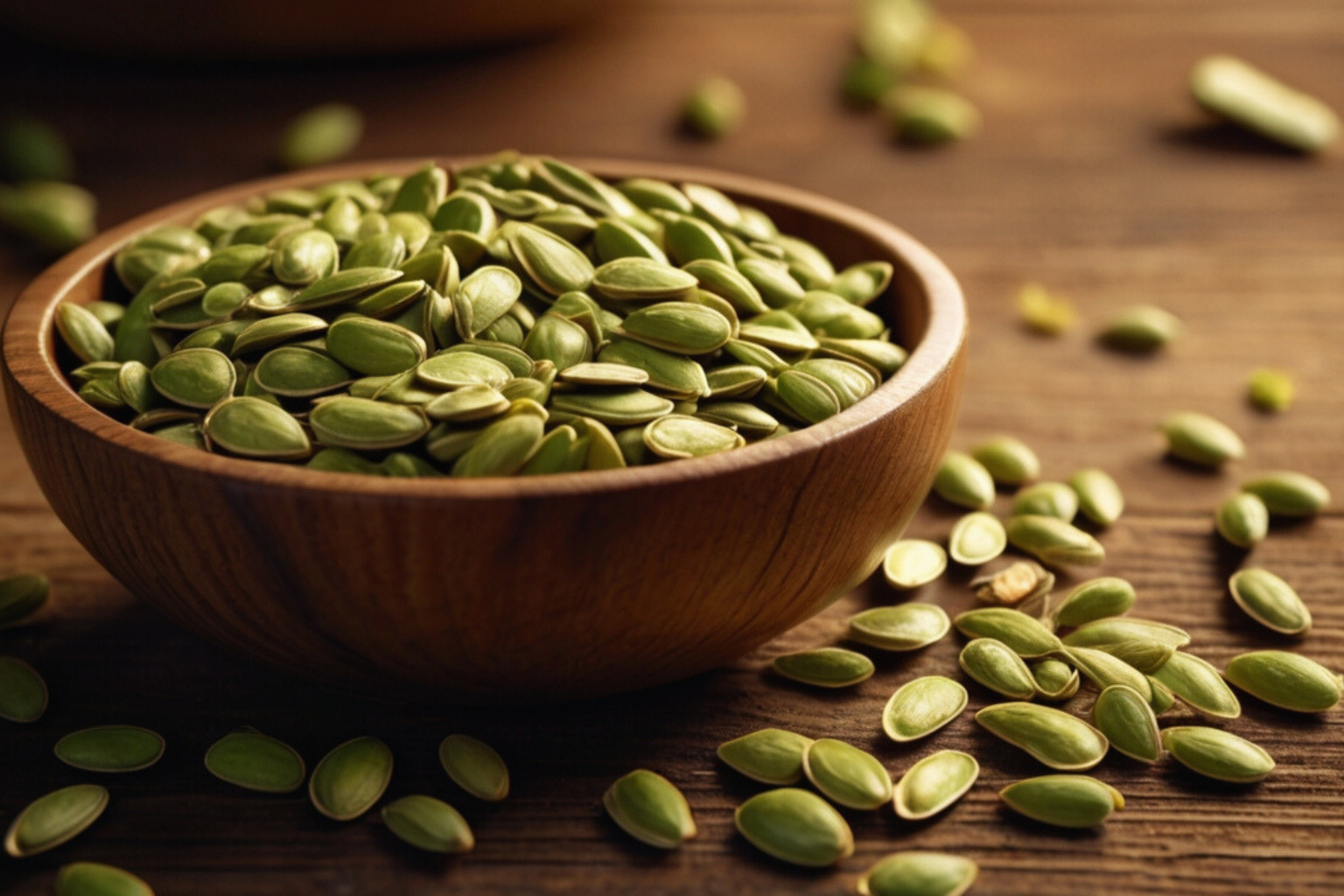
Tiny green powerhouses, whether whole or shelled, raw or roasted, packing a punch of nutrition in every bite.
How to Eat Pumpkin Seeds.
There are many delicious ways to incorporate pumpkin seeds into your daily diet:
Sprinkle them on oatmeal or yogurt for crunch.
Add to salads or roasted vegetables.
Blend into smoothies or homemade protein bars.
Mix with other nuts for a trail mix.
Use as a topping for soups or desserts.
Remember, moderation is key — about one ounce (28 grams) daily is enough to reap their full benefits.
Possible Side Effects.
While generally safe, pumpkin seeds are calorie-dense, so overconsumption may cause weight gain. If you have seed allergies, test tolerance with small amounts first. Also, salted or sugar-coated versions can offset their benefits — opt for raw or lightly roasted unsalted seeds.
From heart health and sleep improvement to better digestion and hormone balance, the benefits of pumpkin seeds are truly impressive. These tiny green seeds deliver a wide range of nutrients that your body needs daily — all in one compact, tasty package.
By making pumpkin seeds part of your everyday diet, you’ll not only support long-term wellness but also enjoy a crunchy, satisfying snack that keeps you energized and nourished naturally.
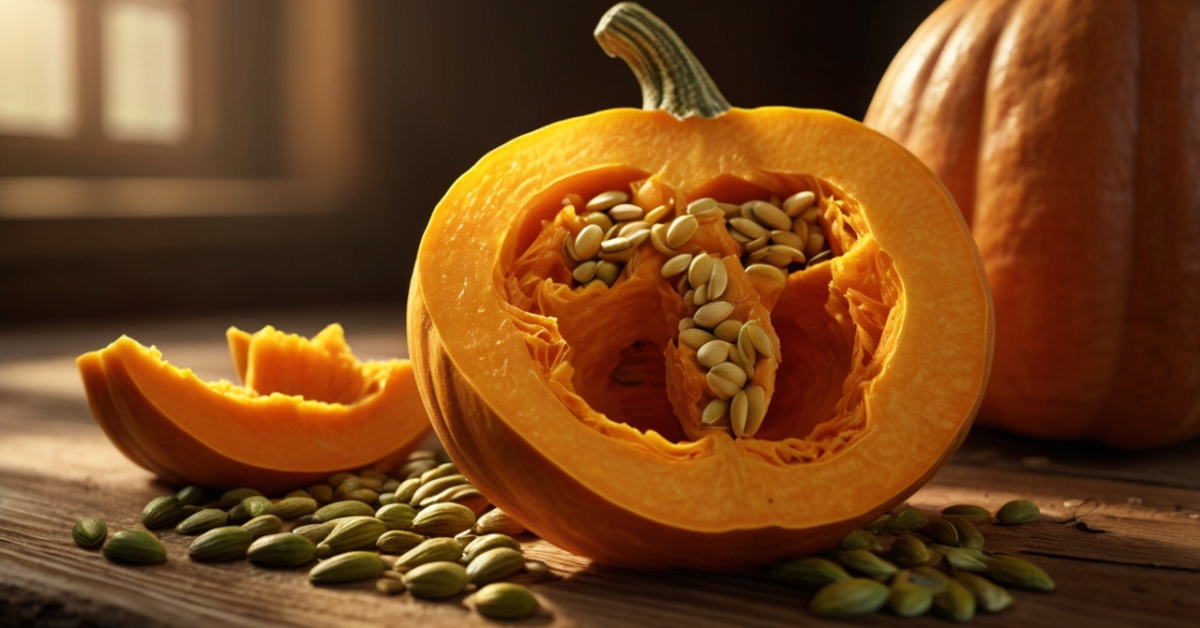
So, the next time you carve a pumpkin or shop for healthy snacks, remember: don’t throw away those little green gems — they might just be one of the most powerful superfoods hiding in plain sight.
Grab your own bag of nutrient-packed pumpkin seeds and enjoy their health benefits daily — available on
Amazon here.